Voters weigh Iran war costs as Congress control hinges on economic anger
With polls open, the unpopular conflict and high prices are central to a referendum on the president's second term.
By Samir Patterson ·
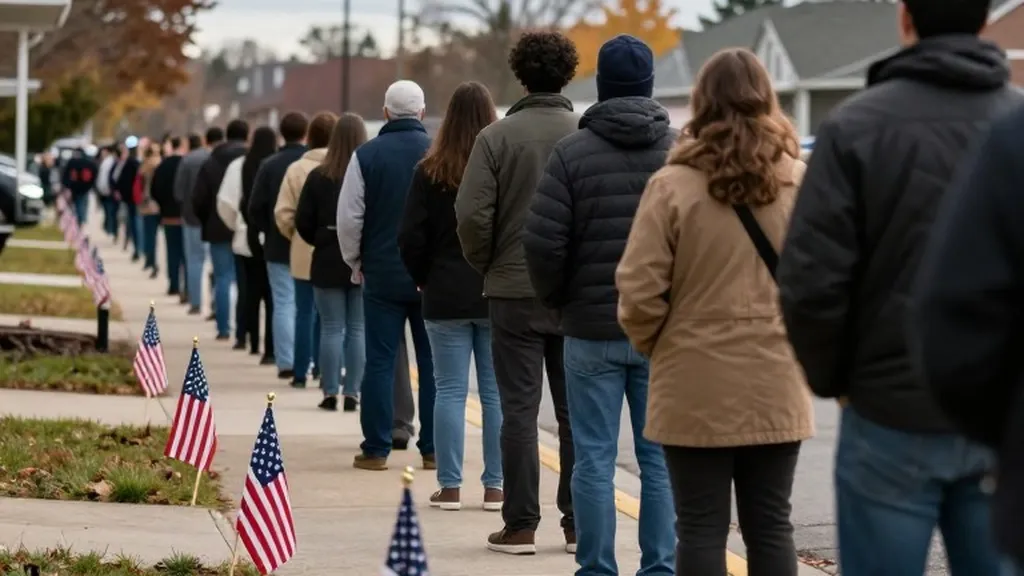
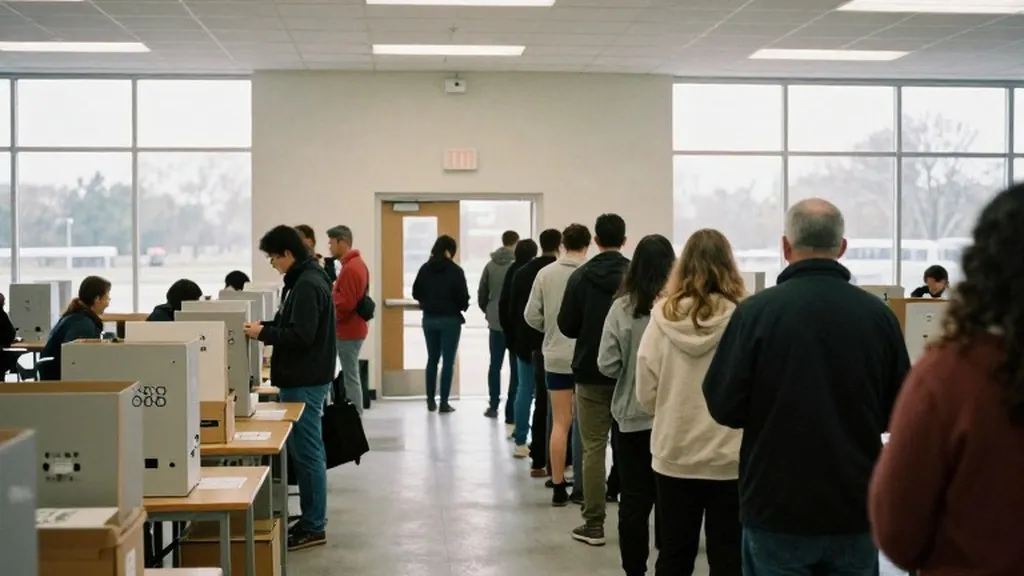
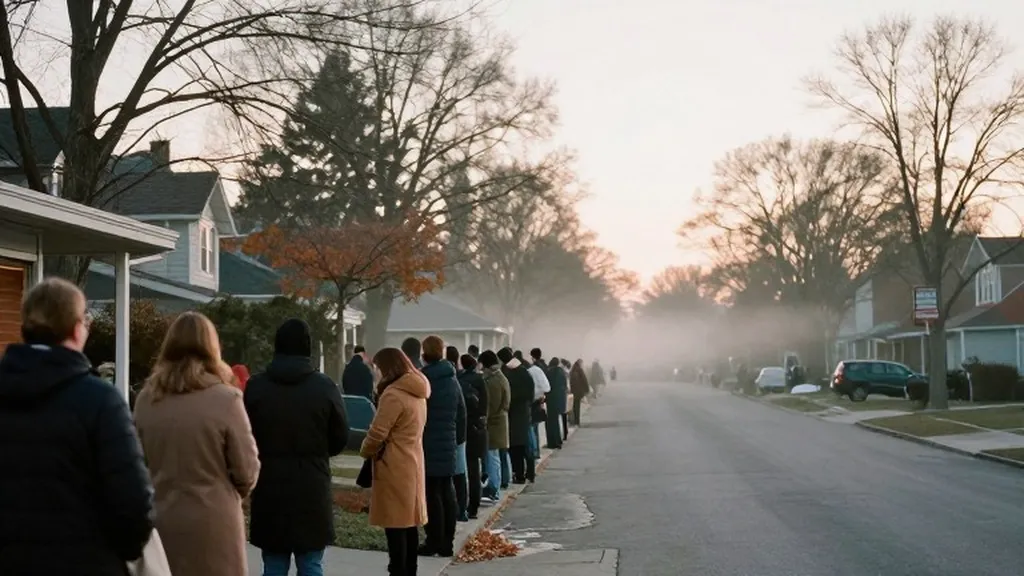
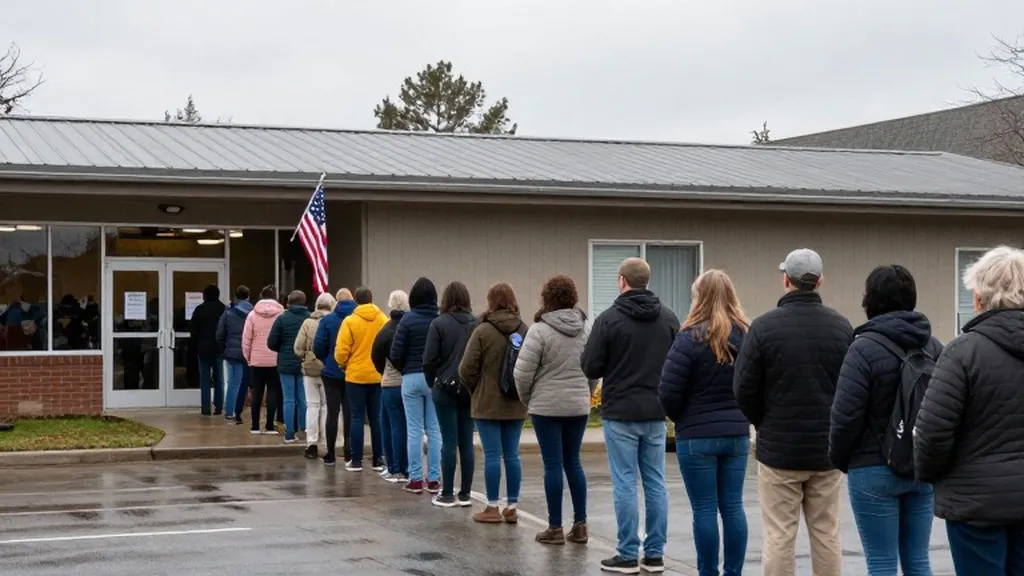
Election Day has arrived with the nation focused on a single, pressing question: can the public’s frustration with the war in Iran and the high cost of living translate into a shift in power in Congress? The Associated Press describes this midterm contest as a referendum on President Donald Trump’s second term, noting that voters are struggling with prices and are angry over the unpopular military engagement. As lines form across the country, the stakes are clear. The outcome will determine which party controls the House and Senate for the final two years of the administration, a decision that could trigger investigations and reshape the legislative agenda for the remainder of the term.
The Iran conflict has emerged as a decisive factor in voter sentiment. 35 percent of U.S. Adults approve of the president’s job performance, while only 25 percent approve of his handling of the economy. About seven in ten Americans say the country is heading in the wrong direction, and most blame the president for high prices. This economic anxiety is compounded by the war, which has added to the fiscal burden and strategic uncertainty. For Democrats, who are described as cautiously optimistic, the narrative is that the American people are angry and want change. For Republicans, who are bracing to lose the House, the fight is to hold the Senate and maintain a legislative foothold despite the headwinds.
The financial edge held by Republican committees has not been enough to silence the discontent. The 2026 elections are likely to be the most expensive in history, with Republican groups outraising and outspending Democrats, aided by Trump-affiliated organizations and Elon Musk. However, at the candidate level, Democrats have outraised their opponents. An analysis of AdImpact data shows that 88.1 percent of Republican general election TV ad spending went to states and districts Trump won in 2024. This heavy spending in safe Republican territory contrasts with the competitive battlegrounds where the war and economic issues are most likely to sway voters. The disparity in spending highlights a strategic divergence, with Republicans banking on turnout and Democrats relying on the intensity of voter anger.
In the Senate, 35 seats are on the ballot, including 33 regular elections and two special elections. Republicans hold 53 seats, while Democrats hold 45, plus two independents who caucus with them. Democrats need a net gain of four seats to secure a majority, a hurdle that is significant given that Republicans can only afford to lose two seats. Key races in states like Georgia, Michigan, and Maine are being watched closely. In Maine, Senator Susan Collins faces a competitive race against Democrat Troy Jackson, with the AP noting that economic strain and tariffs have made the state more balanced. In Georgia, Senator Jon Ossoff is challenging Representative Mike Collins, a race that has drawn significant national attention due to the state’s status as a swing state in the 2024 presidential election.
The House race is equally tight, with all 435 seats up for grabs. Republicans currently hold 218 seats, and Democrats hold 214, with one independent and several vacancies. Democrats need a net gain of three districts to take control, while Republicans can lose no more than two. Ballotpedia identifies 46 battleground districts, with 25 held by Democrats and 21 by Republicans. The map is further complicated by new congressional lines in six states, including California, Florida, and Texas, following mid-decade redistricting. These new maps may alter the dynamics of long-standing districts, potentially opening up opportunities for challengers who can capitalize on the war and economic dissatisfaction. The departure of 60 incumbents, including 23 Democrats and 37 Republicans, adds another layer of uncertainty to the House race.
Voter sentiment is captured in the words of those casting ballots today. James Moore, a 57-year-old librarian in Raleigh, North Carolina, said, "I'm paying more taxes. I'm paying more for my healthcare. I'm paying more for everything." His remarks reflect a broader mood among Democrats, who view the election as a chance to restore oversight and address the cost of living. In contrast, Mark Barker of Palm Beach Gardens, Florida, said, "I've just been following Trump the whole time. I really think he's doing an awesome job." This split in opinion underscores the polarized nature of the electorate, where the war and the economy are viewed through different lenses depending on party affiliation and geographic location.
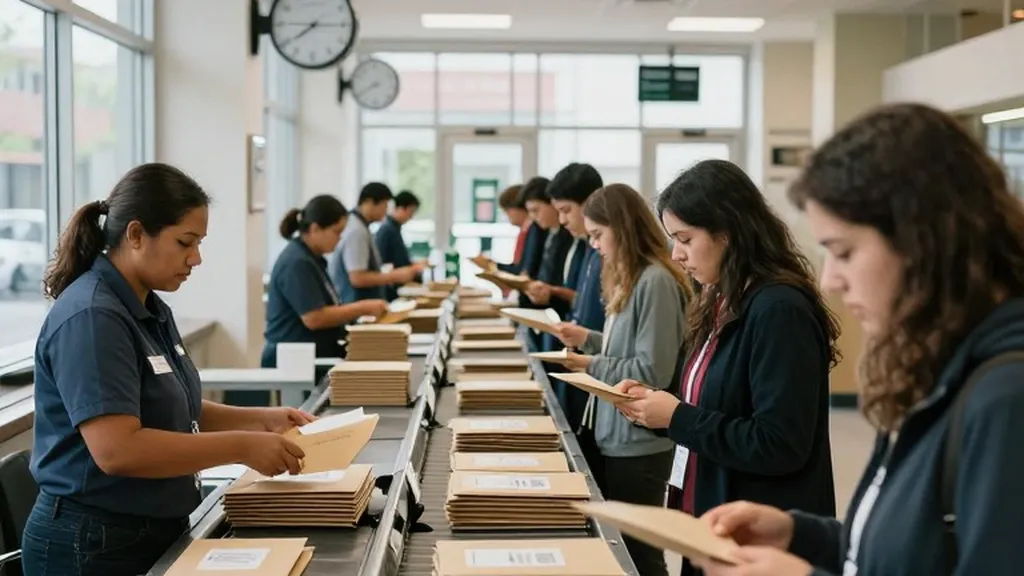
The administration’s handling of the election administration has also become a point of contention. A federal judge temporarily barred the Trump administration from carrying out a plan to prevent noncitizen voting, a move that critics say risks disenfranchising eligible voters. The Justice Department’s threats to prosecute local election officials have added to the anxiety among Democratic strategists, who fear interference and intimidation. The U.S. Postal Service has added hours and staff to ensure mail ballots are counted on time, a critical step in a year where more than 57 million people had already voted as of Monday. This early voting surge has surpassed the totals from four years ago in many closely watched states, suggesting that the final tallies will be closely contested and potentially slow to resolve.
For Democrats, a victory in even one chamber would likely lead to investigations and possible impeachment proceedings. House Democratic Leader Hakeem Jeffries, who would be the first Black speaker if his party takes the House, has outlined a 100-day agenda focused on the cost of living and oversight of the administration. A strong Democratic night would also boost the prospects of potential 2028 candidates like Gavin Newsom and Pete Buttigieg, while complicating the path of Vice President JD Vance. Republicans, meanwhile, are trying to break the historical pattern of a president’s party losing seats in midterm elections. RNC Chairman Joe Gruters emphasized the importance of turnout, stating, "Everything depends on turnout. If we turn out our voters, we win, and that's what we've been planning for."