Trump's $5,000 Dividend Fizzles as Democrats Take Control of Both Chambers of Congress
With Republicans losing their majority, the president's last-minute promise of universal cash payments now faces new legislative hurdles and bipartisan skepticism.
By Samir Patterson ·
President Donald Trump promised a $5,000 check to every American adult if Republicans retained control of Congress, a pledge that has become a central point of contention in the post-election landscape. The promise was made at the Republican Midterm Convention in Dallas, where the president told the crowd that if the party won, voters would win with them. He labeled the initiative the Trump Dividend, framing it as a reward for the nation's economic success. The announcement was designed to rally the base and counter Democratic narratives about inflation and the cost of living. However, the election results have shifted the political dynamics, leaving the proposal in a state of uncertainty.
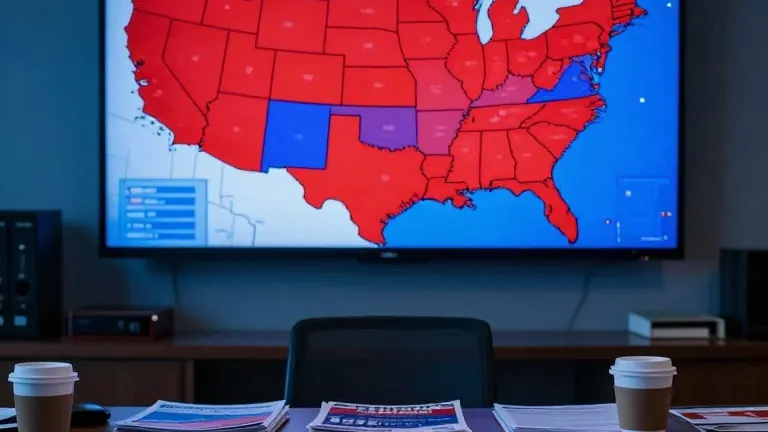
Democrats have secured a net gain of 33 seats in the U.S. House of Representatives, taking control of the chamber. They also won a net gain of seven seats in the U.S. Senate, reclaiming the majority. This shift in power complicates the path for the dividend, which requires congressional approval to become law. House Speaker Mike Johnson, who led the chamber for three years, stated on Sunday that the president would need Congress to act. He described the idea as creative and committed to working through it, but the new Democratic majority now holds the power to shape or block the legislation.
The cost of the proposal is staggering, with estimates suggesting it could exceed $1.2 trillion. The U.S. Census Bureau estimates there are approximately 245 million adult citizens in the United States. Multiplying that number by the promised $5,000 yields a total cost that would significantly impact the federal budget. The country is already running an annual budget deficit of nearly $1.8 trillion. Fiscal experts have raised concerns that such a large injection of cash could exacerbate inflation, which has remained a top concern for voters. The timing of the announcement, just weeks before the election, added to the debate over the proposal's viability.
Bipartisan criticism has mounted over the potential financial burden of the dividend. Some Republicans have questioned the price tag, with Texas Congressman Chip Roy writing on social media that dependency is evil and soul-sucking in all its forms. Democrats have argued that the payment is an attempt to buy votes, a tactic that resonated with voters who are frustrated with high prices. The Associated Press reported that the electorate was deeply unhappy with the country's direction, with about three-quarters of voters feeling angry or dissatisfied. The dividend promise offered a tangible, if uncertain, benefit that appealed to those feeling the pinch of elevated gas prices and rising costs.
Speaker Johnson initially suggested that the proposal needed congressional approval, despite the president's earlier comments to CBS News Texas that he did not think Congress would need to authorize the payments. Johnson pledged to try to make it happen, calling the president the big ideas president. He noted that Congress would work through it and find consensus, similar to how they handle other major legislation. However, with Democrats now controlling both chambers, the process of passing such a bill may be more challenging. The new majority is focused on oversight and investigations, which could take precedence over new spending initiatives.
PolitiFact analyzed the promise and found that the biggest payment is far from certain. The fact-checkers noted that the administration has announced no formal plan for the checks and that fiscal experts cast doubt on the plan during a time of existing economic challenges. The White House press release provided no details on how Americans would receive the money, leaving the logistics unclear. The funding source was cited as tariff revenues, but lawmakers did not include a separate tariff dividend in the One Big Beautiful Bill Act that became law in 2025. This gap between the promise and the legislative reality highlights the complexity of turning campaign rhetoric into policy.
The election results have also raised questions about the political strategy behind the dividend. The Associated Press reported that Democrats were betting on discontent over Trump's failure to tackle rising costs and the Iran war. The dividend promise may have been an attempt to offset these concerns by offering a direct financial benefit. However, with Republicans losing their majority, the power to enact the promise now rests with the opposing party. The new Democratic leadership, including Senate Majority Leader Chuck Schumer, has vowed to probe corruption and use their majority to advance their legislative agenda. The dividend may become a test of whether the parties can work together on significant spending measures.
The proposal also draws comparisons to previous payment promises that did not materialize. In 2025, Trump and Elon Musk endorsed a DOGE dividend check, which was supposed to come from government savings. The checks never went out, and the Department of Government Efficiency did not save the projected $2 trillion. Similarly, Trump's earlier promise of $2,000 tariff dividend checks did not result in payments. These precedents have led some analysts to question whether the $5,000 dividend will follow the same trajectory. The Tax Foundation's senior economist wrote that the new pledge is not going to happen, citing the high cost and the lack of a clear funding mechanism.
As the new Congress prepares to convene, the fate of the Trump Dividend will be closely watched. The Democratic majority is expected to focus on oversight of the administration, including investigations into Trump's business dealings and the handling of the Iran war. The dividend could become a focal point for these investigations, with Democrats looking to scrutinize the legal and economic basis for the payments. The president has expressed confidence in the proposal, saying the money is going to happen 100%. However, the legislative process will now be shaped by the new power dynamics, and the outcome of the dividend will depend on the ability of the two parties to negotiate a path forward.