NHS cancer stats: England records over 1,000 daily diagnoses
Annual cases hit 373,000 in 2024, though only 71.9% of patients begin treatment within the required 62 days.
By Giulia Marshall ·
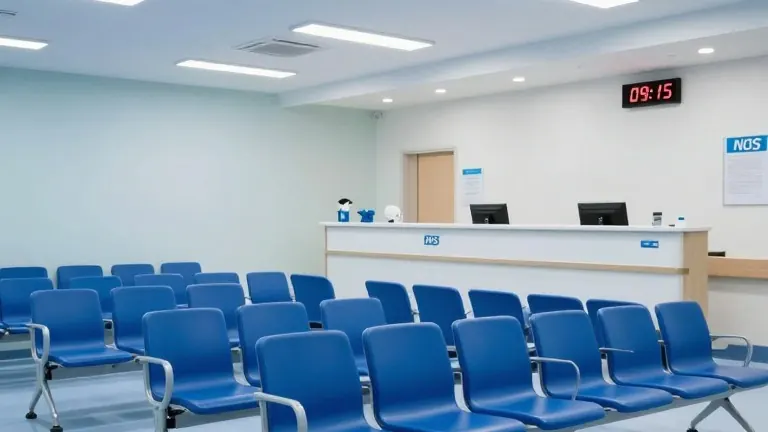
More than 373,000 people in England received a cancer diagnosis in 2024, setting a new national record. The National Health Service identified an average of 1,021 new cases per day last year, up from 972 in 2023. Prostate, breast, lung, and bowel cancers made up half of all new diagnoses reported during that period.
The rise in daily cases coincides with a slight shift toward earlier detection. In 2024, 56.7% of new cases were found at stage 1 or 2, compared to 55.8% in 2023. NHS national clinical director for cancer Prof Peter Johnson described the figures as evidence that the health service is moving in the right direction. He noted that teams are bringing tests and checks closer to patients to ensure people are seen and treated as early as possible.
The number of new cases has been climbing in recent years, driven by an ageing population and rising rates of obesity. Dr Hilary Williams, clinical vice-president at the Royal College of Physicians, identified these factors as key drivers of the increased demand on cancer services. She stressed the need for continued improvements in early detection, including the expansion of targeted lung cancer screening.
Despite the higher volume of diagnoses, the NHS is still struggling to meet its strict timescale targets. In August, 78.6% of patients urgently referred for suspected cancer were diagnosed or had cancer ruled out within 28 days. This figure falls short of the 80% target set for the health service. The gap is wider for treatment start times, with only 71.9% of patients beginning treatment within 62 days of an urgent referral or consultant upgrade. This is well below the 85% target.
Cancer Research UK executive director of policy Dr Ian Walker warned that too many patients are still being caught at a late stage. He stated that the health service requires additional support to reduce late-stage diagnoses and ensure patients are treated on time. He called on the UK government to maintain momentum on its national cancer plan for England, emphasizing the need for focused effort, clear accountability, and guaranteed resources for specialist staff and equipment.
Macmillan Cancer Support chief partnerships officer Steven McIntosh noted that the aggregate figures mask persistent health inequalities. He explained that a person's identity and location can impact their likelihood of getting cancer, the speed of their diagnosis, and their chances of survival. Breast Cancer Now deputy chief executive Rachael Franklin added that breast cancer remains the leading cause of death among working-age women in the UK, with one in seven women expected to be diagnosed in their lifetime.