36 Governor Races: The 18 to 18 Split and the Road to Democratic Control
With 19 open seats and nine battleground states, Democrats need a net gain of two governorships to end a 16 year Republican hold.
By Giulia Marshall ·
The 2026 midterm elections feature 36 governor races that will determine which party controls the executive branch of state governments. The starting lineup is perfectly balanced, with Republicans holding 18 of the governorships on the ballot and Democrats holding the other 18. This even split sets the stage for a direct contest where the party that gains even a single net seat will hold the majority. Republicans have held a nationwide majority of governorships since 2010, a streak that Democrats are aiming to break for the first time in two decades.
Nineteen of these 36 races are open contests, meaning no incumbent is on the ballot. This high number of open seats is driven by term limits and strategic decisions by current officeholders. Fifteen governors are term limited and must step aside. Additionally, three sitting governors chose not to run for re-election, including Kim Reynolds of Iowa, Tim Walz of Minnesota, and Tony Evers of Wisconsin. In Rhode Island, Daniel McKee lost his primary race, further contributing to the number of open seats. These vacancies create opportunities for challengers from both parties to frame their own narratives without the baggage of an incumbent's record.
Ballotpedia identifies nine specific governor races as battlegrounds where the outcome is in genuine doubt. These states are Alaska, Arizona, Georgia, Iowa, Kansas, Michigan, Nevada, Ohio, and Wisconsin. The dynamics in these states are complex, with Democrats defending five governorships in states that Donald Trump won in 2024. Those states are Arizona, Kansas, Michigan, Pennsylvania, and Wisconsin. Conversely, Republicans are defending two governorships in states that Kamala Harris won in 2024, specifically New Hampshire and Vermont. The Associated Press notes that Texas, Florida, and Iowa are also considered competitive, highlighting the wide range of states where voters are actively deciding the next leader.
Several of these races feature high profile candidates with national names. In Georgia, Republican health care executive Rick Jackson is running against Democratic former Atlanta Mayor Keisha Lance Bottoms to succeed Brian Kemp. In Nevada, Republican Governor Joe Lombardo is facing Democratic Attorney General Aaron Ford. Ohio presents a particularly contentious matchup with Republican Vivek Ramaswamy against Democrat Amy Acton. Ramaswamy's campaign faced significant backlash over an advertisement featuring Acton's estranged mother. These named matchups illustrate the personal and political stakes involved in the governor races across the country.
The financial landscape of these elections reflects the broader trend of rising costs in American politics. The 2026 elections are likely to be the most expensive in history. Republican committees have outraised and outspent their Democratic counterparts, aided by Trump affiliated groups and significant contributions from Elon Musk. However, at the candidate level, Democrats have managed to outraise their opponents. This discrepancy highlights the structural advantage Republicans hold in aggregate funding, which they are leveraging to target key states. The Associated Press analysis of AdImpact data shows that 88.1 percent of Republican general election television ad spending went to states and districts that Trump won in 2024.
Redistricting plays a crucial role in the context of these governor races, particularly because six states are using new congressional maps after mid-decade redistricting. These states include California, Florida, Missouri, North Carolina, Tennessee, and Texas, with Ohio also utilizing a new map. While these maps primarily affect congressional races, they influence the political environment in which governors are elected. Republicans attempted to use redistricting to beat the historical midterm pattern where the president's party loses seats. However, new districts in Florida and elsewhere may not vote as initially drawn, adding a layer of uncertainty to the strategic calculations of both parties.
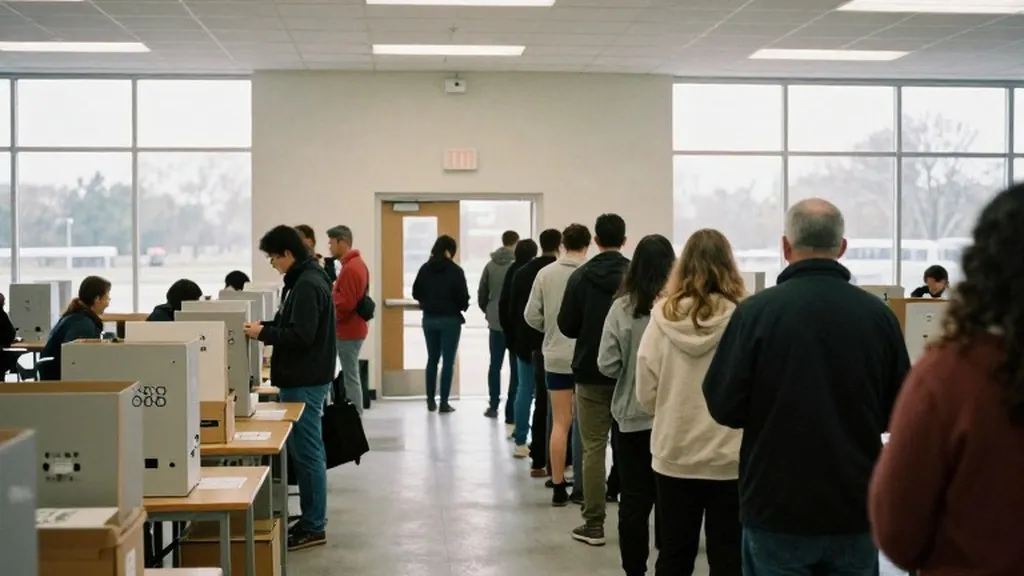
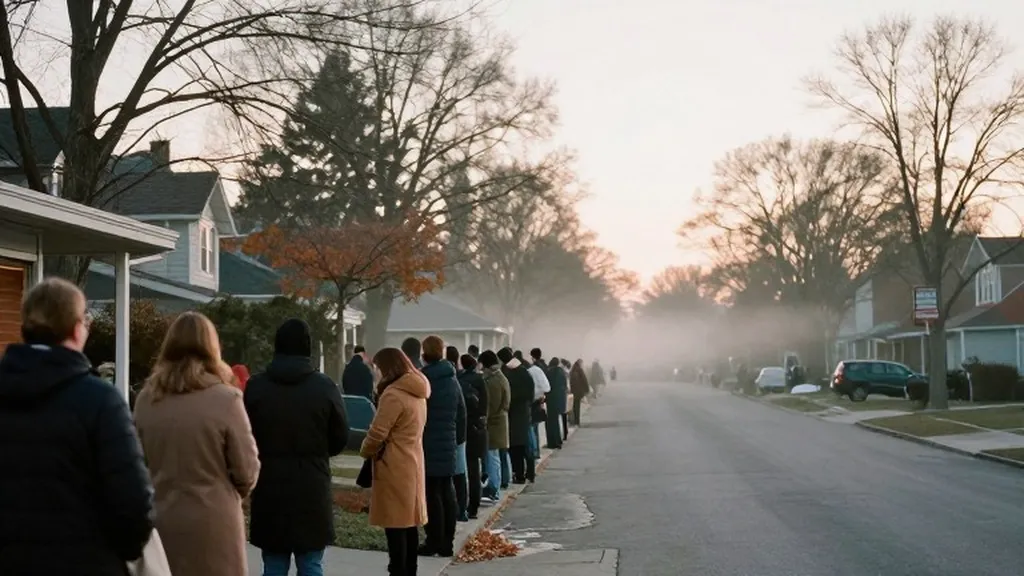
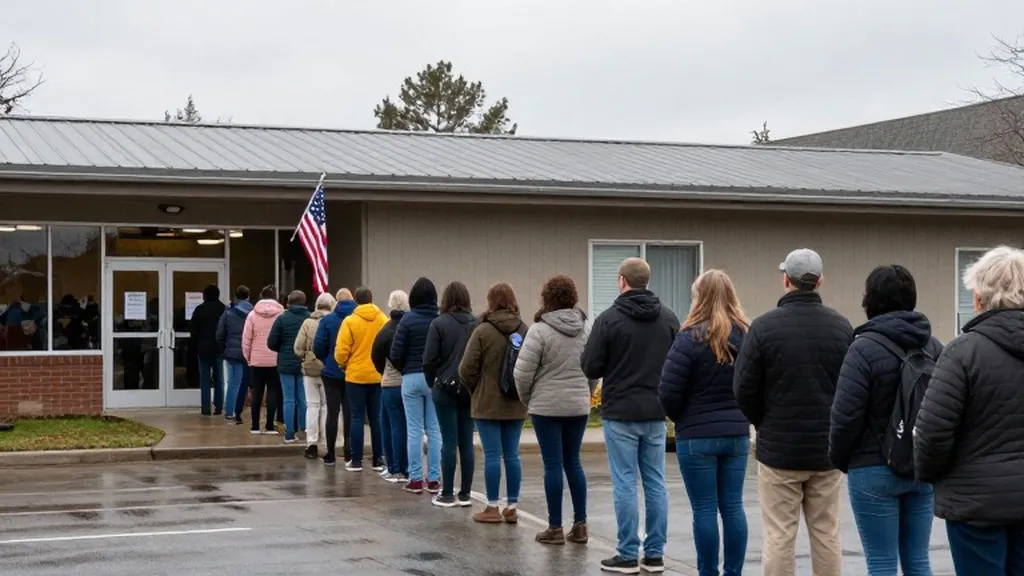
Voters are casting ballots with a focus on economic concerns and the conduct of the war with Iran. The Associated Press describes the election as a referendum on Trump's second term, noting that voters are struggling with high prices and are angry over the unpopular war. Polling from AP NORC indicates that only 35 percent of U.S. Adults approve of Trump's job performance, while 25 percent approve of his handling of the economy. About seven in ten respondents say the country is heading in the wrong direction. This sentiment is driving high early vote turnout, with more than 57 million people having already voted as of Monday. This number surpasses the early vote of four years ago in many closely watched states, suggesting that the governor races will be decided by a highly engaged electorate.
The administration has taken legal steps that add to the tension surrounding the elections. A federal judge temporarily barred the Trump administration from carrying out a plan intended to prevent noncitizen voting, a move critics say risks disenfranchising eligible voters. The administration also sued in Alaska and California regarding the certification of election results. The Associated Press notes that the Justice Department is threatening to prosecute local election officials, a move that has raised fears of interference among Democrats. These legal battles occur in the same states where governor races are competitive, potentially influencing how voters perceive the stability and fairness of the electoral process in their respective states.
Leaders from both parties are emphasizing the importance of turnout in these 36 races. RNC Chairman Joe Gruters stated that everything depends on turnout, asserting that if Republicans turn out their voters, they will win. In contrast, DCCC Chair Rep. Suzan DelBene said that the American people are angry and want change. These messages are being delivered through dozens of rallies, including a final stop for President Trump in Salina, Kansas, where he urged voters to pretend he was on the ballot. The intensity of this campaigning underscores the significance of the governor races, which will shape state policies on health care, cost of living, and oversight for the next four years.