US military hits Qeshm Island ahead of midterm vote
The November 2 attack targeted strategic sites while the president signaled a preference for diplomacy over an immediate full-scale war.
By Charlotte Dubois ·
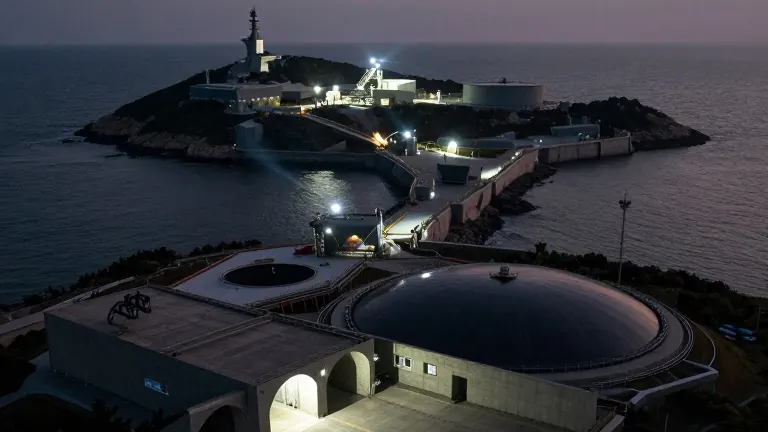
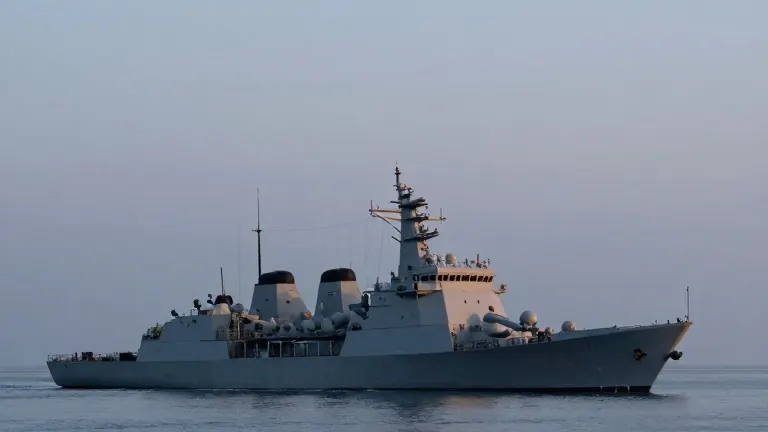
American military forces attacked Iran's Qeshm Island on November 2, a move that occurred just hours before the United States held its midterm elections. The operation was part of a series of limited strikes conducted in recent weeks that the White House had not previously announced to the public.
The conflict has evolved through a pattern of calculated military pressure and diplomatic signaling over the past month. US officials stated that the goal of these operations was defensive, aimed at reducing Iran's capacity to threaten commercial shipping in the Strait of Hormuz. The administration deliberately kept the attacks low-profile to avoid signaling an intention to restart major combat operations. Iran's state news agency, IRNA, confirmed explosions on the island on November 2. The Pentagon referred questions to US Central Command, which did not immediately respond to a comment request.
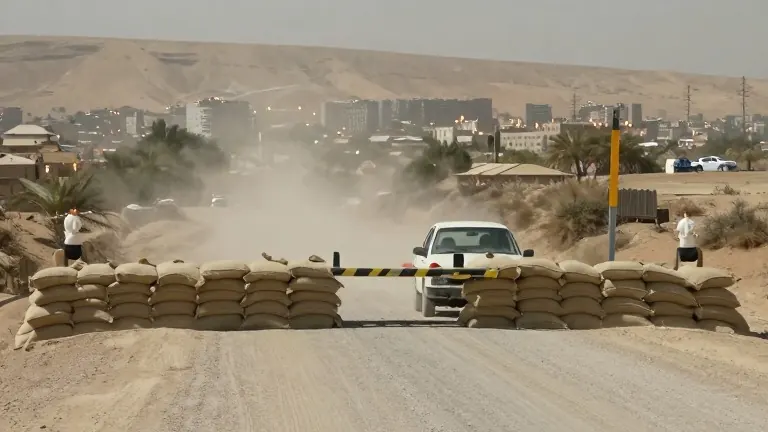
Qeshm is strategically located at the entrance to the Strait of Hormuz, a critical route for global energy shipments. The island hosts an underground missile installation, a naval base, and a major desalination plant. US forces have struck the location in previous engagements, and officials have debated seizing control of it.
President Donald Trump shifted his public stance on November 2. After weeks of warning that a major campaign might follow the elections, he rejected the idea of an immediate large-scale attack. When asked if he was considering strikes after the vote, he answered,
No,
he said. Despite this, administration officials told The Wall Street Journal that military options remained on the table.
Diplomatic channels remain open alongside the military activity. Vice President JD Vance reported progress in talks regarding the dismantling of Iran's nuclear program. Trump linked falling oil prices to market expectations that war would not resume. Iranian Foreign Ministry spokesman Esmail Baghaei stated on November 2 that the next decision rested with Washington, describing Tehran's demands as clear and reasonable.
Iranian leadership, including Supreme Leader Mojtaba Khamenei, has warned of retaliation both inside and outside the Middle East if the conflict restarts. Senior US officials have weighed additional air strikes, stronger sanctions, and an expanded trade blockade. Admiral Brad Cooper, the chief of US Central Command, briefed Trump at the White House last week. Additional missile defenses and munitions have arrived in the region recently. US officials advised Gulf partners to prepare for a brief, intense campaign following the elections.
Experts assessed the implications of the latest strikes. Brett Erickson of Obsidian Risk Advisors noted that while the attacks carried escalation risks, they followed a pattern of limited engagement. He argued that Iran's restrained response to previous incidents suggested the current attack would not change Tehran's strategic calculations. Gregory Brew of Eurasia Group observed that the attacks showed Washington actively challenging Iranian control near the strait. He pointed to the lack of public announcement as a sign of caution regarding escalation.
The US military has also targeted missile-launch sites, a traditional dhow boat, and a commercial ship that attempted to breach the blockade of Iranian trade. These operations underscore the continued tension between the two nations. The White House and Tehran are both weighing the risks of further confrontation as the November 3 election results are tallied.