Israeli strike kills reporter and injures photojournalist in Lebanon
A missile and drone attack on a car in south Lebanon killed 42-year-old reporter Amal Khalil and left 21-year-old Zeinab Faraj trapped under rubble for several hours.
By Giulia Marshall ·
Zeinab Faraj, a 21-year-old photojournalist, suffered physical and psychological injuries after a strike in southern Lebanon killed her colleague, Amal Khalil, on April 22. The attack occurred days after a ceasefire was established following a month of intense airstrikes in the region.
Faraj and Khalil, a 42-year-old newspaper reporter, had been documenting the aftermath of the conflict. They were traveling with Ali Nabil Bazzi, a 27-year-old municipal official, and Mohammed Hourani, a 37-year-old friend of the mayor. The group had met earlier at Tebnine governmental hospital, which residents viewed as a relatively safe gathering point.
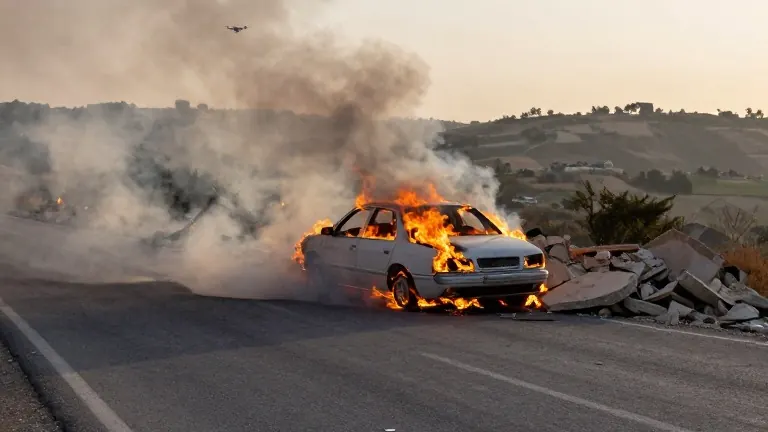
Faraj stated she did not hear the initial missile impact. She heard Khalil scream and observed the car ahead of them catching fire. The two women exited the vehicle, where Faraj attempted to assist Bazzi. Khalil indicated the men were deceased, and Faraj noted their bodies were severely damaged.
Drones subsequently approached at low altitude. Faraj described one moving so close to her face that she tried to cover it. Emergency services responded to calls for help, promising assistance was en route. A paramedic instructed the women to drive away because ambulances were blocked from entering the area. A second missile struck their car as they attempted to enter it.
The impact threw both women backward. Khalil wrapped her arms around Faraj. They sheltered in a nearby house where Khalil, injured on the face, hand, and leg, could not move. Faraj sent a message to her sister saying, "There's no hope left. Forgive me," before her phone battery died. A final missile struck the site while the women watched the road.
Faraj awoke trapped under rubble with difficulty breathing. Paramedics reached the site after an hour. They extracted Faraj as drones returned to the area. A stun grenade was dropped by a drone during the rescue. Faraj reported that she mistook the ambulance engine for a drone during transport.
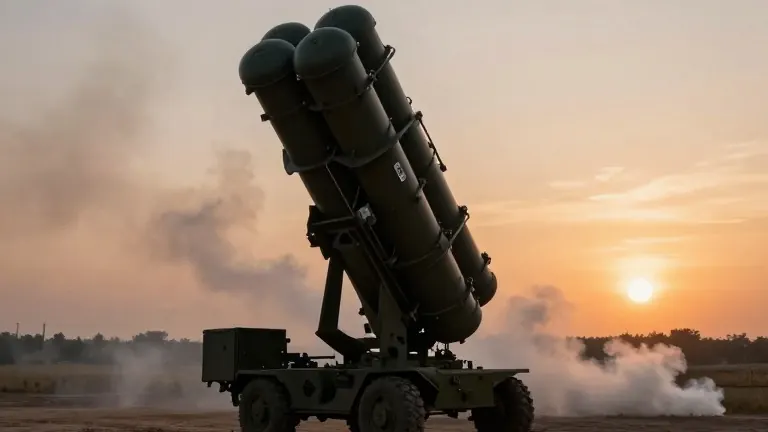
The Israeli military stated it had identified saboteurs violating the ceasefire. Human rights organizations classified the attack as a war crime, noting the military received repeated messages requesting permission for a rescue. A week prior to the strike, an Israeli military spokesperson had labeled a video of Khalil as "terrorist media." Khalil had also received death threats from Israeli phone numbers.
Faraj is preparing to return to university but continues to struggle with walking, a hand injury, and facial scarring that affects her eyebrow. She wakes at night screaming and reports anxiety when hearing aircraft. Whether she will return to frontline journalism remains uncertain.