Grain Markets: Black Sea Conflict Drives Wheat Prices to 2023 Highs
Escalating attacks on commercial shipping routes have disrupted 27% of global wheat exports, forcing Ukraine to rely on costlier alternative corridors.
By Charlotte Dubois ·
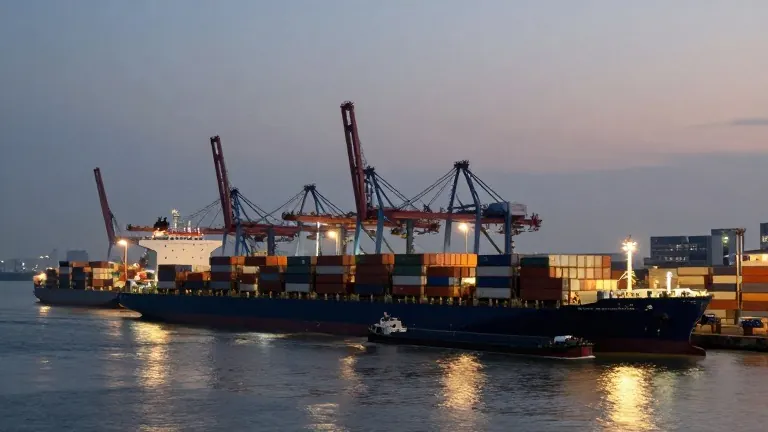
Wheat futures on the Chicago Mercantile Exchange reached their highest levels since 2023, with prices climbing approximately 20 percent in the first nine months of 2026. This surge follows a sharp increase in hostilities targeting commercial vessels in the Black Sea, a region that handles a substantial portion of the world's grain supply.
October marked a turning point in the conflict between Russia and Ukraine, as drone attacks struck at least nine vessels off the coasts of Romania and Bulgaria. Both nations are members of NATO, and the strikes have raised questions about the alliance's collective defense mechanisms. Most of the targeted ships were commercial carriers transporting oil, gas, petroleum products, or food commodities like wheat and corn.
The disruption has forced Ukraine to shift its export strategy. With Black Sea ports largely halted, Kyiv now relies on a Danube corridor through Romania, specifically utilizing the ports of Izmail, Reni, and Constanta. Additional routes include overland rail and truck lines through Poland, Slovakia, Hungary, and Romania, as well as a maritime path from the Odesa region that runs along NATO coastlines toward Turkey and the Bosphorus Strait.
The shift to these alternatives has intensified the threat to shipping. Maritime security firm Ambrey reported that the monthly rate of attacks in the Danube corridor from July to September was 3.7 times higher than in the first half of 2026. Consequently, the Danube's share of cargo handled at Ukrainian ports jumped from roughly 10 percent in the first six months of the year to 74 percent in August.
Ukraine's agriculture minister estimates that continued port closures will cost the country at least $8 billion between June 2026 and June 2027. This figure represents 20 percent of total export revenues from the previous year. Grain and vegetable oil accounted for about 40 percent of Ukraine's total merchandise exports in the first half of 2026, explaining the strategic focus on these supply lines.
Russia, the world's largest wheat exporter, has also suffered disruptions. Ukrainian military officials stated that 76 Russian vessels were struck between July 6 and 11. Attacks on key export terminals in the Black Sea and Sea of Azov, which previously handled nearly a quarter of Russia's wheat exports, forced Moscow to divert shipments to Baltic ports. Russia suspended exports through the Don-Azov Canal in mid-July, and a late July strike on the Taman port further complicated logistics.
Together, Russia and Ukraine account for nearly 27 percent of global wheat exports. The current escalation coincides with the peak export season for winter wheat. The US Department of Agriculture projects that combined production by the world's seven largest wheat exporting countries will fall 11 percent in the 2026 to 2027 season. This decline in production capacity meets a simultaneous disruption in delivery capabilities, driving up transport costs and the expense of securing shipments.
The market impact is expected to extend to import-dependent regions, particularly in the Arab and African countries that rely heavily on imported grain. Analysts anticipate higher food prices and rising import bills as strategic reserves deplete. This pressure adds to inflationary trends already fueled by energy supply disruptions in Gulf waters.
More Business · World news · Customer Complaints · Report a business · Got a Story?