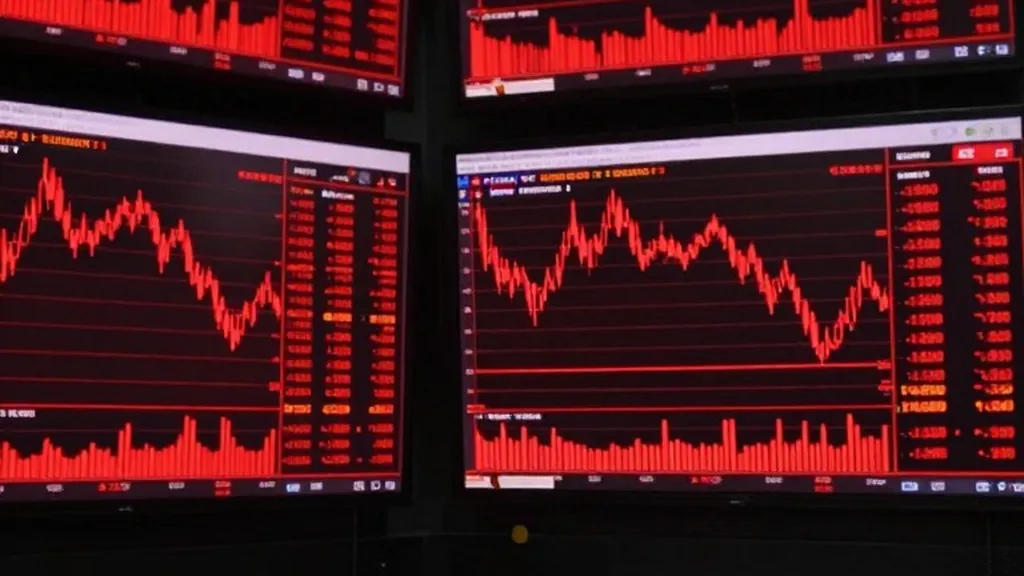
Mortgage rates return to historical norms as sellers cut prices
Nationally, 21% of home sellers lowered asking prices recently, reflecting a shift away from the ultra-low interest rates that defined the last decade.
By Giulia Marshall ·
For the past decade, mortgage rates have hovered in a narrow band that many homebuyers now consider the standard. In reality, that period represents a deviation from long-term economic history. The 30-year mortgage rate averaged 8% between 1971 and 2019. During the 1990s, rates frequently stayed between 7% and 9% while the economy grew at an annual average of 3.4%.
Allysia Finley, writing in the Wall Street Journal, noted that economic growth has generally been stronger during periods of higher mortgage rates. The recent range of 2.5% to 5% was artificially low. As rates rise toward historical averages, the housing market is adjusting to a new baseline. This normalization process is currently affecting pricing strategies for both buyers and sellers.
Sellers who hold low-interest mortgages are facing pressure to reduce their asking prices to attract buyers who must pay current market rates. According to data from Redfin, 21% of sellers nationally dropped their asking price during the four weeks ending Sept. 20. Many are offering concessions such as covering closing costs or paying for mortgage buy-downs. These incentives help bridge the gap between affordability and high rates.
In Manatee County, buyer activity remains present in both single-family and condo properties. Average and median sale prices are either inching upward or holding steady. Local market participants indicate that the era of 2.5% mortgages has ended. Buyers and sellers are adapting to the reality that lower rates are unlikely to return in the near term.
Mortgage rates track the 10-year Treasury rate because many loans are paid off or refinanced within that timeframe. When the economy heats up, Treasury yields rise, which drives mortgage rates higher. A primary risk in this environment is that government housing regulators may write standards to help borrowers qualify for loans they cannot afford. This could introduce new vulnerabilities into the market.
The next major variable for the real estate sector is the outcome of Amendment 3. Market participants are watching this vote closely, as any change in the regulatory environment could impact property values and transaction volumes. The market remains sensitive to these external factors, and the result of the amendment will determine the immediate direction for local housing activity.
More Business · Customer Complaints · Report a business · Got a Story?