Doctors explain gout risks and treatments
Medical experts describe how uric acid crystals cause inflammation and link the condition to metabolic disease.
By Samir Patterson ·
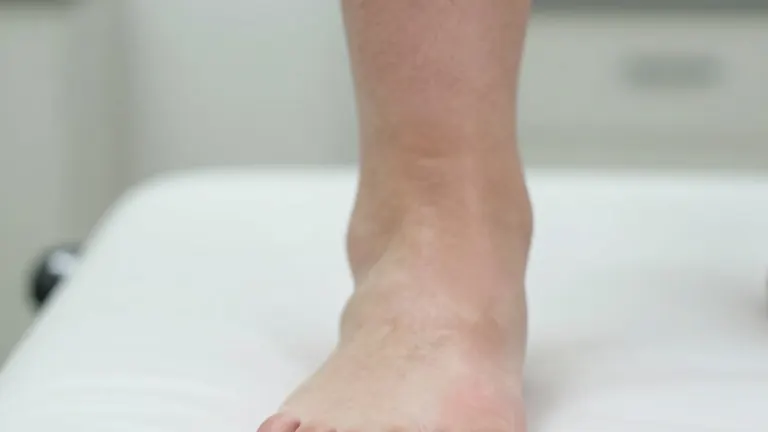
Dr. Rhea Rogers, a board-certified physician, stated that gout begins when uric acid accumulates in the blood and forms crystals in joints and tissues. She described the condition as triggering a highly inflammatory and painful response. The Centers for Disease Control and Prevention identifies gout as a painful form of arthritis that typically affects a single joint at a time.
The most common presentation involves the big toe turning red and throbbing, a condition Rogers called podagra. Gerontologist "Sam" Cradduck noted that her youngest daughter has experienced gout twice. The daughter described the sensation as feeling like a shard of glass. Cradduck added that even walking near her daughter's foot caused her pain. She explained that the crystal itself is not the source of the pain, but rather the immune system attacking it.
Rogers said the immune system treats the uric acid crystal as a foreign object. She warned that uric acid buildup can signal underlying metabolic disease. Many patients with gout also suffer from insulin resistance, diabetes, or cardiovascular issues. Rogers noted that uric acid lowers nitric oxide, a substance that allows arteries to relax. She said this is the same mechanism involved in atherosclerosis, or the hardening of the arteries.
Men develop gout more often than women due to estradiol levels. Rogers explained that estradiol is protective and that premenopausal women have this protection. Men do not have the same level of estradiol, though they produce some by converting testosterone. As men age, they tend to have less testosterone and carry more visceral fat. For women, the risk increases after menopause when estradiol levels drop, closing the gap with men.
Aging well coach Katherine Ambrose noted that gout has historically been called the disease of kings and linked to rich foods and alcohol. Amy O'Rourke, an aging expert, said the condition relates to what individuals put into their bodies. She observed that men often seek treatment later than women. Her advice is for partners or family members to encourage men to see a doctor.
Rogers said some doctors prescribe allopurinol to treat patients. She also mentioned that vitamin C, quercetin, and lutein can naturally lower uric acid. Some products contain all three compounds together. Rogers added that sugary food and drinks are quick ways to raise fructose. High fructose levels push insulin up and cause the body to hold onto uric acid.
The Alliance for Gout Awareness provides more information on the condition. The program is for educational purposes only and does not constitute medical advice. Individuals should consult a licensed physician for diagnosing or treating a health problem.