Democrats Claim House Control in 2026 Midterms, Shifting Power Balance
The party secured the 218 seats needed to take the gavel, ending Republican control of the lower chamber ahead of President Trump's final two years.
By Samir Patterson ·

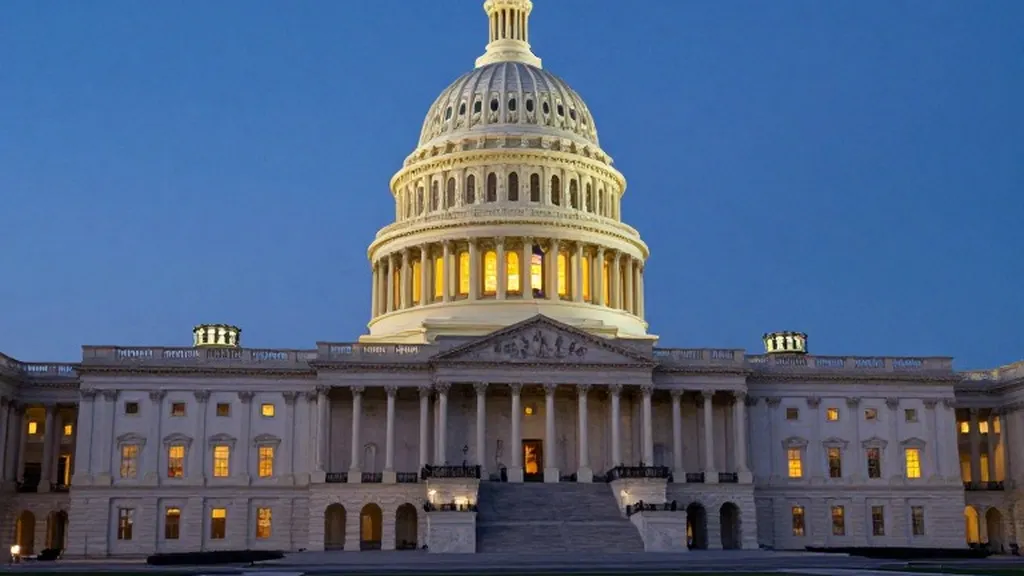
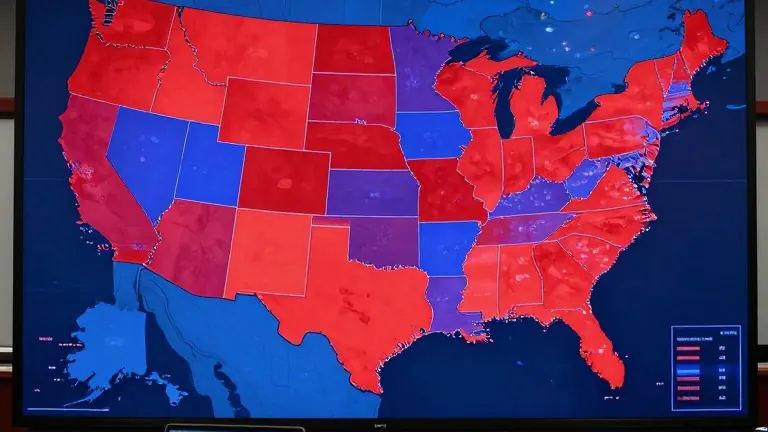
Democratic candidates won a majority in the U.S. House of Representatives following the 2026 midterm elections, according to projections from the Associated Press. The result flips the control of the lower chamber to the opposition party just as President Donald Trump enters the final stretch of his term. This shift alters the legislative environment in Washington and changes the dynamics for the remainder of the administration.
Prior to this election cycle, Republicans held a narrow advantage in the House. They controlled 218 seats compared to 214 for Democrats, with one independent representative and two vacant seats remaining. All 435 districts were contested in the recent vote. The Democrats now exceed the 218-seat threshold required to form a majority.
The new majority grants the Democratic leadership the power to select the Speaker of the House and take the helm of major committees. These positions allow them to set legislative priorities and hold hearings on federal government actions. The party can also use its new standing to push investigations and request information from Trump administration officials regarding policy decisions and executive conduct.
However, controlling the House does not give Democrats the ability to pass legislation unilaterally. Bills must still navigate the full legislative process and typically require approval from the Senate and the president's signature. The composition of the Senate, which Democrats also won, will play a decisive role in how effectively the new House majority can operate.
The change in control is expected to complicate the president's efforts to advance key proposals, particularly those involving budget, immigration, and economic policy. Democrats will have greater capacity to scrutinize border security spending and the operations of federal immigration agencies. They can also demand explanations on detention conditions and deportation procedures through oversight tools.
President Trump retains his executive powers, meaning the administration can continue to enforce existing laws despite the shift in congressional control. The final two years of his presidency will now begin with a House controlled by the opposing party, a configuration that will reshape political negotiations in Washington.