Tesla Q3 2026: Revenue Flat at $28B as Profit Slides and Capex Soars
The automaker delivered 486,532 vehicles in the third quarter, beating volume forecasts while posting a 56% drop in operating income and $4.73 billion in capital spending.
By Malcolm Davis ·
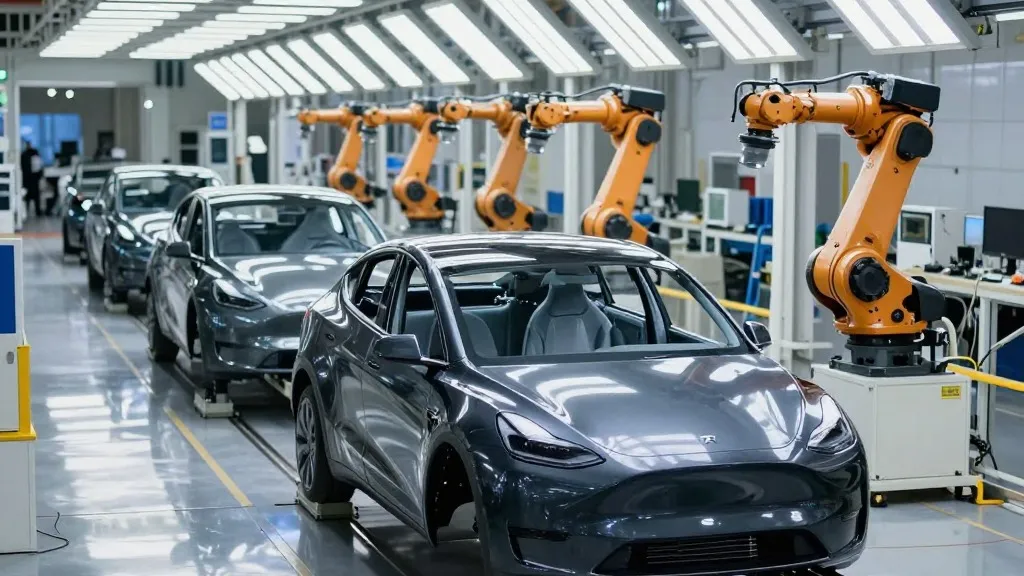
Tesla delivered 486,532 vehicles in the third quarter of 2026, a figure that landed well above the 461,974 units analysts had predicted. This volume beat came as the company released its financial results after the market close on October 21, revealing a complex mix of stable revenue and shrinking profits. The delivery number marked a 2.1% year-over-year decline, yet it signaled strong underlying demand that outpaced Wall Street expectations.
The company reported $28.05 billion in revenue for the period, essentially flat compared to the $28.1 billion recorded in the same quarter last year. This result aligned closely with the $28.06 billion consensus estimate. Non-GAAP earnings per share came in at $0.48, beating the $0.45 average forecast. However, this figure represented a 4% decrease from the $0.50 per share reported a year prior, continuing a trend of declining profitability despite the volume beat.
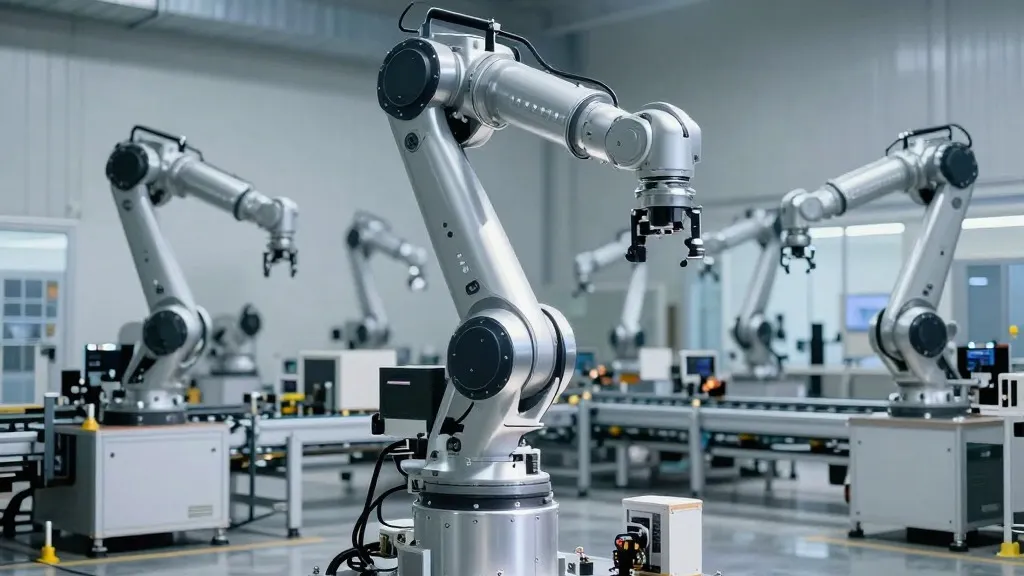
Operating income fell sharply, dropping 56% year-over-year to $718 million. This resulted in an operating margin of 2.6%, down from 5.8% in the previous year. The decline was driven by a significant surge in spending on artificial intelligence and the Optimus robot. Research and development expenses jumped 69% to $2.76 billion, while total operating expenses rose 39% to $4.78 billion. Stock-based compensation also increased to $1.17 billion, up from $663 million in the same period last year.
Capital spending reached $4.73 billion, more than doubling the $2.25 billion spent in the prior year. This aggressive investment pace contributed to a drop in free cash flow to $1.53 billion, compared to $3.99 billion a year ago. Tesla ended the quarter with $45.4 billion in cash and investments. The GAAP net income stood at $787 million, or $0.22 per share, which included a $288 million unrealized gain on bitcoin holdings partially offset by a $142 million loss on SpaceX equity.
Automotive gross margin excluding regulatory credits improved to 18.1%, up from 16.3% in the second quarter and 15.4% a year earlier. The company attributed this recovery to a better regional and product mix, along with increased revenue from Full Self-Driving subscriptions. Regulatory credits contributed just $113 million to the bottom line, a 73% drop from the previous year, as the market for these incentives continues to shrink.
The energy segment faced headwinds, with revenue falling 16% to $2.88 billion. Tesla cited tariff-related customer refunds as a primary factor, even though energy storage deployments rose 10% to 13.7 GWh. Despite the revenue drop, the segment’s gross margin improved to 33% from 20% in the second quarter. Services and other revenue grew 33% to $4.61 billion, with gross profit reaching a record $734 million driven by charging, insurance, and parts sales.
Management stated that battery availability remained the limiting factor for vehicle production. The company ended the quarter with its largest passenger vehicle backlog in four years. Deliveries of other models, including the Cybertruck and Semi, fell 48%. Average selling prices continued to decline, a trend that often contradicts supply-constrained scenarios. Active Full Self-Driving subscriptions reached 1.74 million, a 67% increase, while the Robotaxi service logged nearly 2 million cumulative unsupervised miles.
With $13.01 billion spent on capital projects through the first nine months of 2026, Tesla is currently at half of its guided target of more than $25 billion for the full year. To meet that goal, the company would need to spend roughly $12 billion in the fourth quarter, more than double its highest quarterly spend to date. The shareholder letter did not update this guidance, leaving the question of whether spending will accelerate or if the 2026 plan will slip into next year.
Source: Electrek