NASA Panel Puts Starship Lunar Missions at 22 Launches
A recent safety panel estimate suggests a significantly higher number of refueling flights are needed for SpaceX's Starship to support a crewed lunar landing.
By Mariana Delgado ·
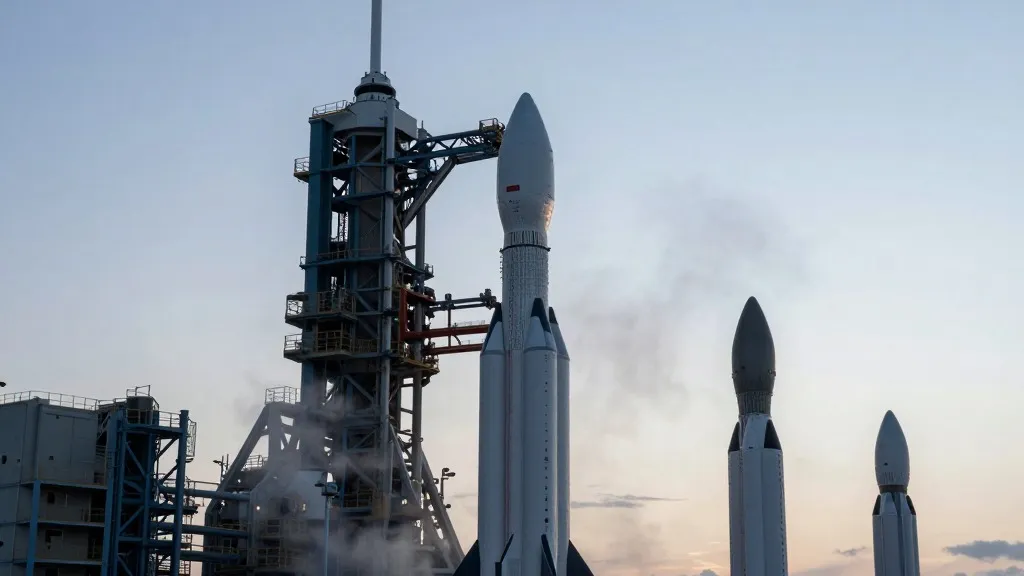
Twenty-two. That is the latest, and potentially most sobering, estimate for the number of SpaceX Starship launches required to prepare a single lunar lander for a mission to the Moon and back. The figure was shared this week by Charlie Precourt, a former astronaut and current member of NASA's Aerospace Safety Advisory Panel, during a quarterly meeting of the group. His comments signal growing unease among some officials about the feasibility of using Starship for a crewed lunar landing within the decade.
The core challenge lies in the mission's architecture. To send a crewed Starship lander from Earth to the Moon, it must first be fully fueled with liquid oxygen and methane while in low-Earth orbit. This is accomplished by first launching a specialized 'depot' ship into orbit, which is then filled by a series of subsequent 'tanker' Starship flights. The number of tanker flights required to fill the depot for a lunar mission is the critical figure that has long been a closely guarded secret at NASA.
For years, the agency has consistently declined to provide a specific number, citing ongoing uncertainty. In 2023, then-director of NASA’s Human Landing System program Lisa Watson-Morgan stated she was reluctant to give a precise figure, later characterizing it as being in the 'high single digits to the low double digits.' At the time, this suggested a requirement of around a dozen launches. Other officials have since alluded to numbers in the 'high teens.' The longstanding hope has been that as SpaceX improves Starship's performance and lift capacity, the number of required tanker flights would be reduced.
However, concerns are now emerging that these performance gains may not be materializing quickly enough. The latest estimate of 22 launches represents a significant increase from previous, more optimistic figures. Such a high number of flights for a single mission would place immense pressure on launch schedules and infrastructure, raising questions about the rocket's role in NASA's Artemis program. The agency's plans to return humans to the Moon this decade rely heavily on the availability of a crewed lunar lander.
Precourt's comments, made during a public meeting of the safety panel, are notable because NASA has historically avoided quantifying this requirement. The agency's position has consistently been that it does not know for sure and therefore will not say. This new number, however, indicates that safety officials are working with a much larger and more concerning figure than has been previously discussed publicly.
The implications of a 22-launch sequence are substantial. It would require a rapid and flawless cadence of launches, a feat SpaceX has not yet demonstrated with its Starship vehicle. Any delays or issues with any single flight could jeopardize the entire mission timeline. The ability to execute such a high-frequency launch schedule is a prerequisite for fueling a lander in orbit, a critical step before any crew can embark for the lunar surface.
NASA has not officially confirmed this new estimate. The agency's position on the exact number of Starship launches for a lunar mission remains unaddressed following the safety panel's meeting. The next steps will likely involve further analysis of this figure and its impact on the Artemis program schedule, as officials grapple with the technical and logistical challenges of assembling a mission of this magnitude in orbit. The focus now is on how and when any potential resolution to this issue could be addressed.
The agency's official stance on the precise number of Starship launches required to support a lunar landing has not changed in response to the panel's discussion. No timeline has been provided for when a final figure might be confirmed or for how this potential increase in launch requirements could impact the Artemis program schedule. The focus for now remains on the significant risks associated with assembling such a mission in orbit, a challenge that has grown considerably more complex with this latest assessment.
Source: Ars Technica