Autonomous Mobility: Tesla Sets Year-End Target for Cybercab Deliveries
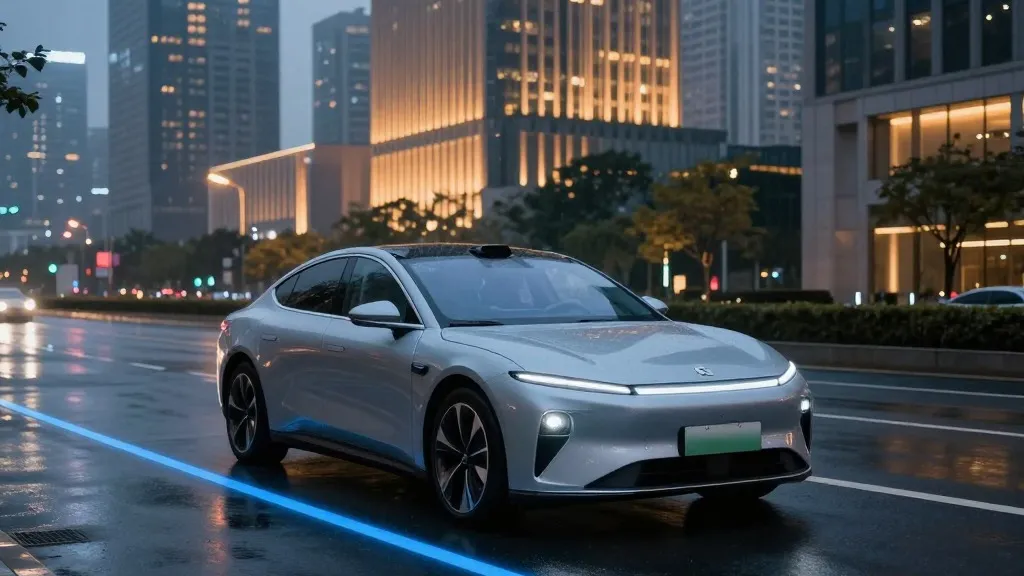
Tesla executives confirmed that the first customer deliveries of the self-driving Cybercab are scheduled to begin before the end of 2026, primarily for fleet use rather than private ownership.
By Malcolm Davis ·
The era of the traditional personal car may be undergoing a significant shift as one of the world's most prominent automakers clarifies its timeline for its most radical vehicle. On October 21, during the company's third-quarter 2026 earnings call, Tesla provided a definitive answer to a question that has fueled speculation for months: when will the Cybercab actually reach customers?
The announcement marks the end of uncertainty regarding the near-term availability of the fully autonomous vehicle. Lars Moravy, the Vice President of Engineering, stated that the company is aiming to begin delivering the purpose-built robotaxi to customers before the end of 2026. This timeline places the rollout in the immediate future, signaling that the vehicle is moving from the production line to the road in a matter of weeks.
However, the nature of these initial deliveries is distinct from the typical consumer car launch. Moravy explained that while production is currently underway at the Gigafactory in Texas, every unit coming off the line is currently being allocated to Tesla’s internal Robotaxi fleet. This strategy allows the company to refine its operations before handing over the keys to external parties.
As the operation scales, Tesla intends to mainly deliver these fully designed autonomous vehicles to its customer base, with the Cybercab serving as the first in this new category. The initial phase of customer deliveries will be small in scale. This cautious approach is designed to allow the company to gain critical experience in delivery logistics, ownership models, and fleet management, particularly while operating autonomous vehicles outside of its direct, internal control.
CEO Elon Musk reinforced the idea that private sales will be a limited portion of the Cybercab’s future. He described the vehicle primarily as a "transport-as-a-service" offering, distinguishing it from personal ownership vehicles like the Model 3, Model Y, or the upcoming Roadster. Musk emphasized that the vast majority of Cybercabs will remain Tesla-owned, operating as part of a shared mobility network rather than sitting in individual driveways.
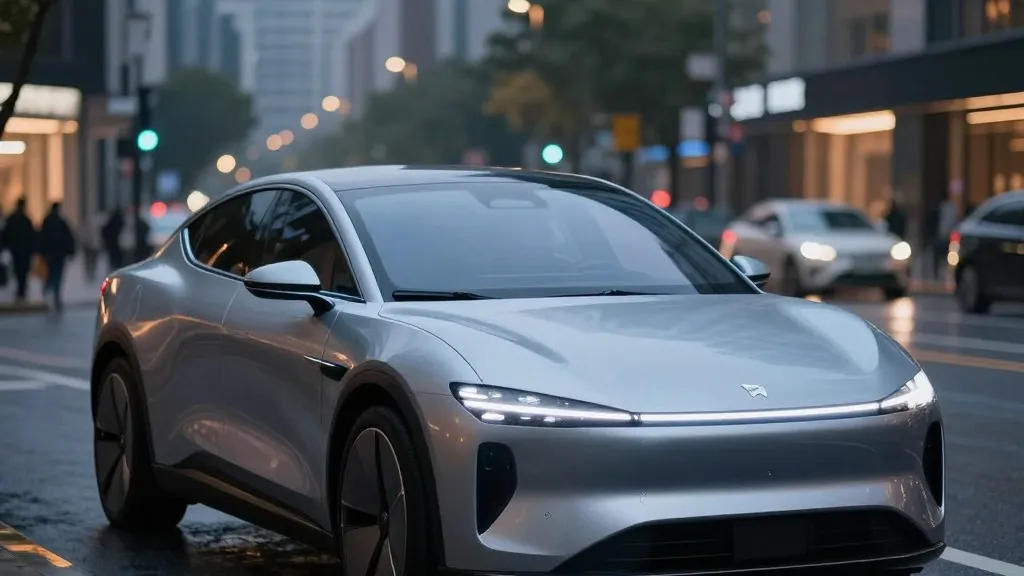
The Cybercab itself represents a departure from traditional automotive design. It is a two-seater vehicle that features no steering wheel or pedals, relying entirely on Tesla’s Full Self-Driving suite to operate. Production of the vehicle began in February of this year, and early units have already been integrated into Tesla’s Robotaxi service. The public launch of these rides occurred in early September, marking the first time the vehicle has been used for commercial passenger transport.
Pricing expectations for the vehicle remain anchored to previous indications from the company. Tesla has previously stated it aims to sell the Cybercab for approximately $30,000. This price point is positioned to make autonomous transport accessible to a broad audience, supporting the transport-as-a-service model where the cost of ownership is spread across multiple rides rather than a single owner.
Despite the clear timeline for the Cybercab, broader advancements in autonomous technology are on a slightly longer schedule. Ashok Elluswamy, Tesla’s Head of AI, indicated during the call that unsupervised Full Self-Driving is expected to ship to consumer cars during the second quarter of 2027. This suggests that while the dedicated robotaxi is ready, the full rollout of driverless capabilities for standard consumer vehicles will follow in the coming year.
There are still hurdles to overcome ahead of the formal Cybercab deliveries. Early buyers or fleet operators may receive vehicles whose autonomous operation remains geographically restricted. These limitations are largely due to lagging regulatory agencies that have not yet fully approved operations in all areas. As Tesla moves toward the end of the year, the focus will be on navigating these regulatory landscapes to ensure a smooth transition from internal fleet testing to external customer deployment.
Source: Teslarati