Warhound Launches With $200 Million to Engineer Military Canines
A new venture backed by Colossal Biosciences and Anduril aims to use genetic editing and smart gear to solve the U.S. shortage of fit working dogs.
By Rebecca Dawson ·
For military units and law enforcement agencies that rely on working dogs, the supply chain has long been a source of anxiety. Currently, more than 80% of the U.S. military’s canine force is imported from Europe, and fewer than half of those animals are deemed fit for service upon arrival. This new venture, Warhound, aims to change that dynamic by engineering dogs domestically using advanced biotechnology and tactical hardware.
The company emerged from stealth on Thursday with $200 million in funding. This investment round values the startup at $1.2 billion. Backers include Sequoia, 8VC, Corner Ventures, and In-Q-Tel, a venture firm supported by the CIA and other U.S. intelligence agencies. The capital is intended to support the cloning and genetic modification processes required to create a new class of service animals.
The project is a collaboration between Ben Lamm, who leads Colossal Biosciences, and Palmer Luckey, the founder of Anduril. Lamm noted that he met Luckey about a year ago at a conference where the topic of military dog welfare was raised. Following that meeting, Lamm researched the breeding of working dogs and found that many fail to complete training due to inherited issues such as poor eyesight, hip dysplasia, or high cancer risks.
Warhound plans to address these biological limitations by studying top-performing breeds like the Belgian Malinois and German Shepherd. The team has collected cell lines from these animals and placed them in a biobank. From there, they will edit the genetic code to enhance speed, agility, and olfactory sensors while removing genes associated with health problems. Colossal will license its gene-editing technology to support this effort.
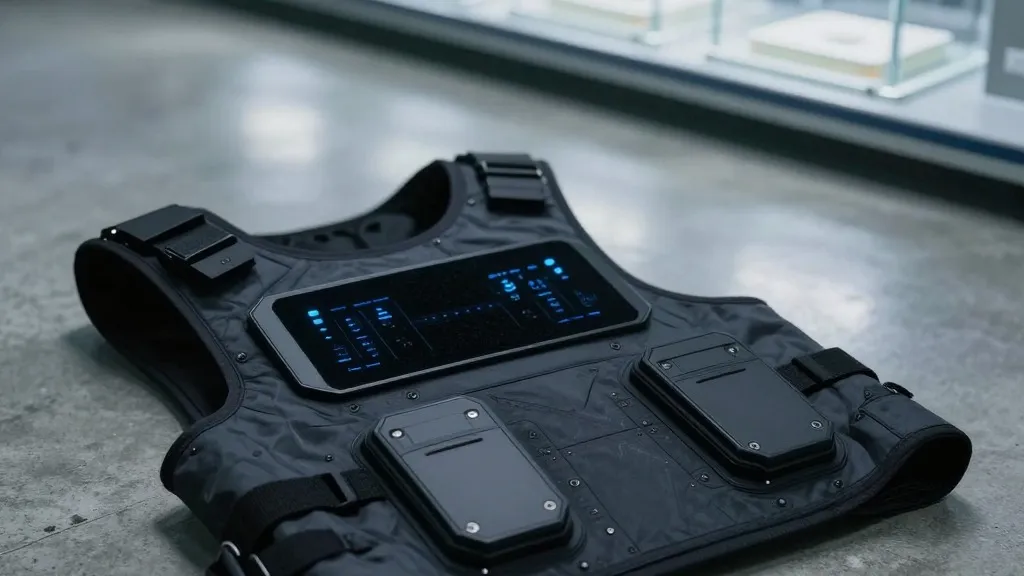
Anduril will provide the technological overlay for these animals. Their hardware includes protection vests and goggles equipped with data sensors. These devices will send real-time information to handlers, improving situational awareness. Lamm described this approach as adding enhancements on top of the dog rather than within it. He believes that making the animals safer and healthier will directly improve their performance in the field and protect their human partners.
The first batch of these engineered dogs is expected to be born early next year, with service potentially beginning within two years. Viagen, another company owned by Colossal, will handle the cloning process. Warhound expects to sell these animals to the Department of Defense, police forces, and first responders, though pricing has not yet been determined. The company is currently briefing various government groups regarding the technology.
To address concerns about animal welfare, Warhound is working with the American Humane Society to certify its training program. The society, which calls itself the country’s first national humane organization, said it looks forward to ensuring the animals are treated humanely. The goal is for these dogs to eventually enter the society’s reunification program upon retirement, providing them with a safe home after their service.
Source: TechCrunch