Democrats Take Control of Statehouses and Federal Chambers in 2026 Sweep
A decisive midterm shift has returned Democratic majorities to Congress and secured control of more governorships than Republicans, marking a significant national realignment.
By Samir Patterson ·
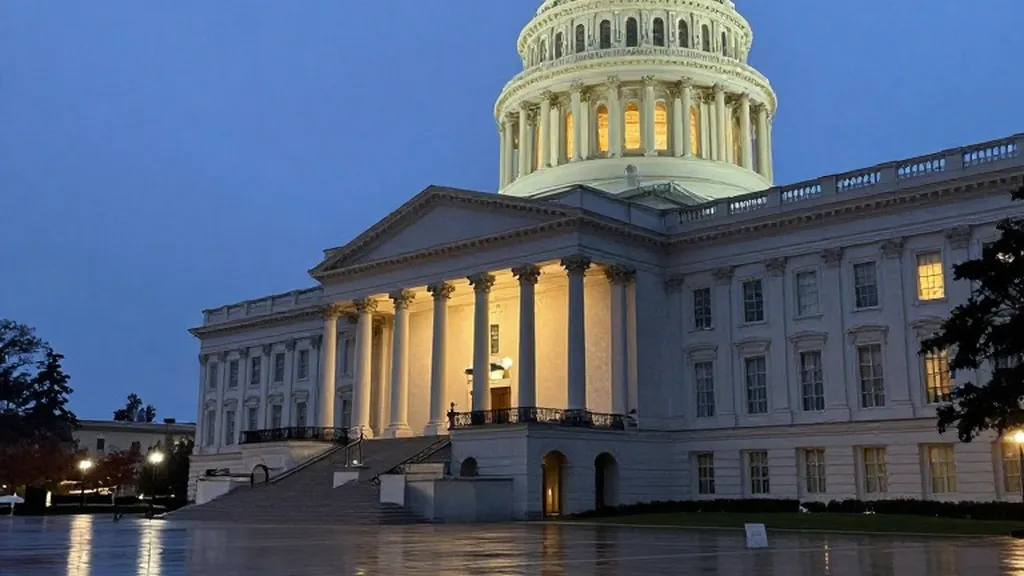
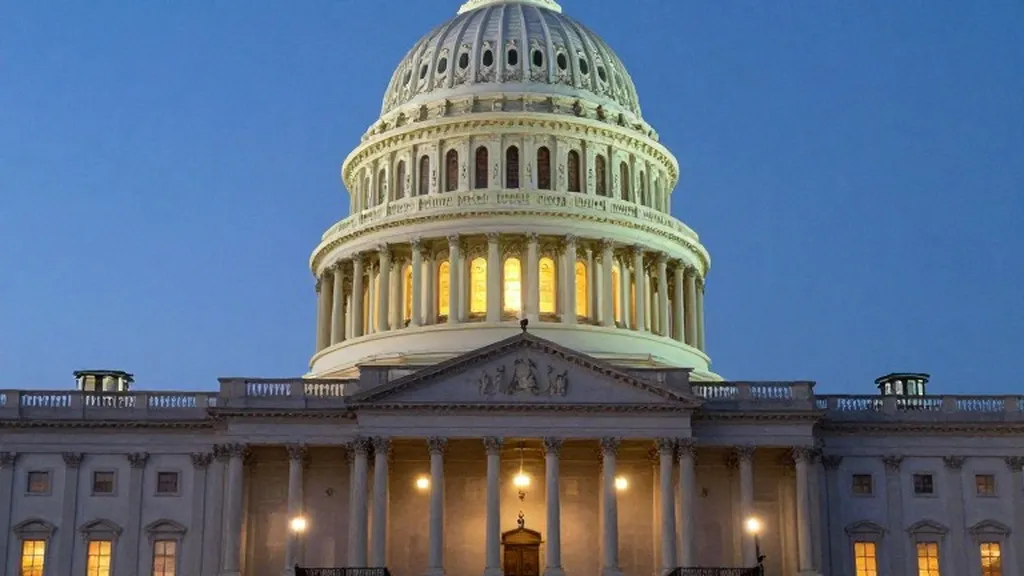
The political landscape of the United States shifted dramatically on Tuesday, November 3, 2026, as voters delivered a decisive mandate for the Democratic Party. According to Ballotpedia, Democrats won majorities in both the U.S. House and the U.S. Senate, a result that signals a powerful rebuke to the current administration. The party picked up at least 43 House seats, a move that was largely driven by the defeat of 42 previously Republican-held districts and one independent seat. This gain ensures that Democrats will hold at least a 250 to 157 majority in the lower chamber of Congress, providing them with a substantial platform for legislative action.
In the U.S. Senate, the results were equally significant for the Democratic caucus. The party captured seven seats that were previously held by Republicans, securing a 54 to 44 majority. This net loss of at least seven Senate seats places this election cycle in the top 20 percent of historical elections in terms of seat swings against a president’s party. Analysts and data trackers have defined this threshold as a wave election, a term that reflects the scale of the partisan shift. While the House loss of 42 seats is slightly short of the 48 required to meet that specific wave definition, the Senate results alone confirm the momentum of the Democratic surge.
The implications of these federal victories extend directly to the state level, where Democrats achieved a historic milestone. For the first time since before the 2010 elections, the party won a majority of governorships. This is a critical development for the site’s region and for Democrats nationwide, as it allows the party to control the executive branch in more states than the opposing party. The victory also included a plurality of state government trifectas, meaning Democrats now control the governor’s office and both chambers of the state legislature in more states than any other configuration. This level of control provides a stable foundation for implementing policy changes without the friction of divided government.
The return to power in statehouses comes at a pivotal moment for voters concerned with the cost of living and healthcare. With Democrats now holding governorships in a majority of states, they are positioned to address economic pressures that have dominated the national conversation. The party’s platform has emphasized oversight of the federal administration and a focus on domestic economic stability. The results suggest that voters across the country prioritized these local and federal concerns, rewarding candidates who campaigned on restoring accountability and managing the financial impact of national policies.
One notable aspect of the state-level results is the continuation of strong religious and cultural ties in key regions. In California, Xavier Becerra won the governor’s race, becoming the state’s fifth consecutive Catholic governor. This streak underscores the deep roots of Catholicism in the state’s political fabric. Becerra, a Democrat and former U.S. health and human services secretary, emphasized how his upbringing informs his politics. His victory highlights the complex and diverse nature of Catholic voters, who do not fit neatly into a single political category. About 60 percent of Catholic voters in the race supported Becerra, while about 40 percent voted for his Republican opponent, Steve Hilton.
The electoral success of Democrats in states like California also reflects broader demographic trends. Latino Catholics played a significant role in Becerra’s win, with about 70 percent of this group voting for him. This support helped secure his position as the state’s first elected Latino governor. The results demonstrate that while religious identity is a factor in voting behavior, it is often mediated by ethnic and economic considerations. This nuance is important for understanding the coalition that drove the Democratic victory in this region, a coalition that values both social stability and economic protection.
On the federal oversight front, the new congressional majority has already begun to signal its intent to scrutinize the Trump administration. Rep. Bobby Scott of Virginia, the top Democrat on the House Committee on Education and the Workforce, stated that he plans to leave no rock unturned in investigating the administration’s policies. He specifically cited the dismantling of the U.S. Education Department and the management of federal student loans as key areas of focus. This move indicates that the new majority intends to use its investigative powers to hold the executive branch accountable for decisions made during the previous two years.
The issue of the Iran war has also become a central point of contention for the new Congress. Rep. Thomas Massie of Kentucky, a Republican, moved to force a vote to impeach Defense Secretary Pete Hegseth, citing the administration’s military actions in Iran, Yemen, and Venezuela. While most House Democrats are expected to support the impeachment, the move has created immediate tension within the Republican caucus. Many Republicans had blamed their election losses on the Iran war, making the decision to defend the Defense Secretary a difficult one. This internal conflict highlights the pressure the new Democratic majority will face in managing oversight during an ongoing military engagement.
The results also point to the enduring influence of religious communities in state politics. In California, the victory of a Catholic governor continues a tradition that dates back to the late 1990s. David Gibson, director of Fordham University's Center on Religion and Culture, noted that Catholicism is part of the fabric of California culture, much like Puritan Protestantism is in New England. This perspective helps explain why Catholic voters, who are politically diverse, continue to play a decisive role in state elections. The party’s ability to appeal to this diverse group was a key factor in securing the governor’s mansion in a state that is home to more Catholics than any other in the country.