57 Million Early Votes Signal Strong Turnout Before Historic Midterm Results
Democratic leaders credit a robust ground game for securing majorities in Congress despite Republican financial advantages and redistricting challenges.
By Giulia Marshall ·
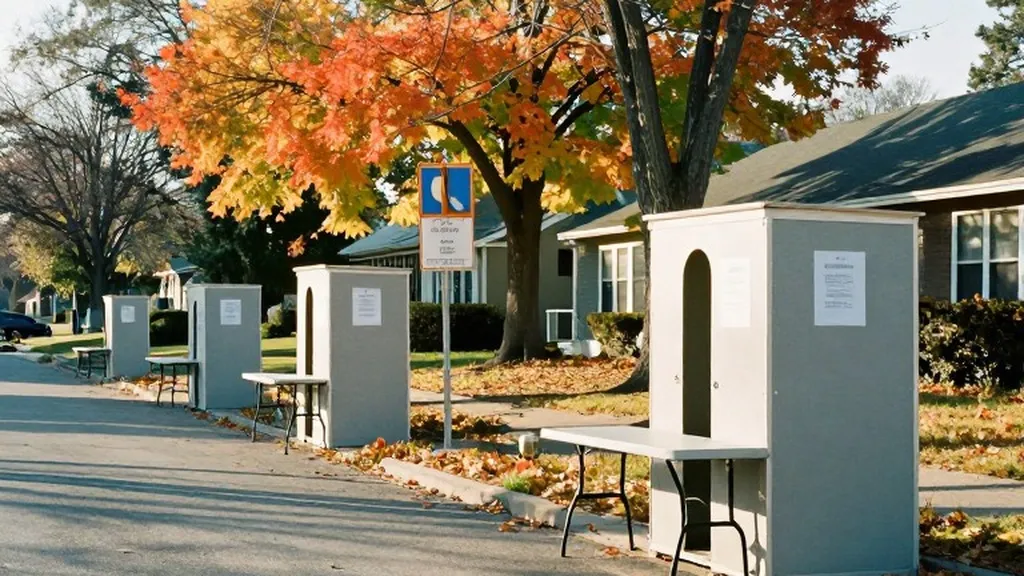
The 2026 midterm election cycle concluded with a decisive shift in power, as Democrats secured healthy majorities in both the House and Senate. This outcome followed a period of intense campaigning characterized by a record-breaking 57 million early votes cast nationwide. The volume of early ballots reflected a highly engaged electorate, driven by concerns over the cost of living, health care, and the need for stronger oversight of the executive branch. For many Democratic voters, the election was a referendum on their ability to hold the administration accountable and address the economic pressures facing working-class families across the country.
Democratic strategists had bet heavily on high turnout to offset the structural advantages held by the Republican party. The ground game proved decisive in many competitive districts, where door-to-door canvassing and local organizing efforts helped mobilize voters who might have otherwise stayed home. The focus on the cost of living resonated strongly with voters, allowing Democratic candidates to frame the race around immediate economic needs rather than abstract political principles. This approach helped the party maintain a united front despite internal debates over the pace and scope of investigations into the current administration.
Republican money spent a significant role in the campaign, providing a substantial resource advantage in national advertising and digital outreach. However, this financial edge was not enough to overcome the momentum generated by the Democratic turnout effort. Redistricting had also created a challenging map for Democrats, with several key districts drawn to favor the opposition. Despite these obstacles, the party managed to win a net gain of seats in the House and expand its majority in the Senate, a result that many analysts had not predicted before the early voting period began. The success suggests that a well-executed local ground game can effectively counterbalance national spending disparities.
Senator-elect Adam Hamilton, the first Democrat elected to the Senate from Kansas in 94 years, highlighted the importance of unity in his post-election remarks. He expressed a desire to set guardrails for the executive branch rather than focusing exclusively on impeachment proceedings. Hamilton stated that his campaign was about bringing people together and avoiding further division in the country. His perspective reflects a broader sentiment among newly elected Democrats who are eager to deliver on their promises to lower the cost of living while maintaining a cooperative relationship with the White House where possible.
House Democratic leader Hakeem Jeffries, who is poised to become the nation's first Black House speaker, signaled a more combative approach. He declared that the days of Democrats not fighting back are over, emphasizing the need for aggressive investigations into the executive branch. Jeffries criticized the appointment of Stephen Miller as White House chief of staff, calling it an awful choice and expressing doubt about the prospects for bipartisan cooperation. He also expressed support for a resolution to impeach Defense Secretary Pete Hegseth, indicating that Democrats are prepared to use their new majorities to push for significant accountability measures.
President Donald Trump and his Department of Justice have taken a defiant stance toward the incoming Democratic leadership. The President described the investigative requests made by Democrats as extortion at the highest level, while Attorney General Todd Blanche suggested that criminal investigations of Democrats are possible. This rhetoric sets the stage for a contentious relationship between the executive and legislative branches in the coming years. The conflict may define the remainder of the President's term and test the power of Congress to provide checks and balances on the presidency.
About 7 in 10 voters nationally said Congress was not doing enough to provide checks and balances on the presidency, according to the AP Voter Poll. This sentiment helped drive the high turnout and the subsequent election of a more assertive Democratic Congress. However, some Democratic leaders are wary of letting conflict with the President define the entire agenda. Senator Bernie Sanders warned that while holding the administration accountable is necessary, lawmakers must also stand up for working-class families and make a real difference in their lives. This tension between oversight and legislation is expected to shape the legislative calendar in the next two years.
The election also brought a wave of historic firsts, including the election of the first Native American woman to the Senate and the first female Native governor of a U.S. state. These victories marked a turning point for Native American women in politics, whose leadership in their communities has rarely translated to formal political power before. The success of these candidates demonstrated the strength of the ground game and the importance of diverse representation in the new Congress. Their victories are seen as part of a broader seismic shift in political communities, driven by decades of organizing and advocacy.
As the new Congress prepares to convene, the focus will be on delivering tangible results for voters who turned out in such large numbers. The ability to pass legislation on health care and the cost of living will be a critical test of the party's cohesion and effectiveness. With the Republican party holding a financial advantage and a redistricted map, the Democrats' ability to sustain their momentum will depend on their capacity to navigate internal disagreements and maintain a clear legislative agenda. The coming months will reveal whether the high turnout translated into lasting policy changes or if the focus remains primarily on oversight and conflict.
The election results underscore the power of local organizing and the importance of engaging voters on issues that directly affect their daily lives. The 57 million early votes served as a clear mandate for action, compelling the new majority to prioritize the concerns that drove voters to the polls. As the 119th Congress begins its work, the challenge will be to balance the desire for accountability with the need for legislative productivity. The success of the Democratic party in this election provides a strong foundation for the work ahead, but the road to delivering on campaign promises will require careful navigation of a complex political landscape.