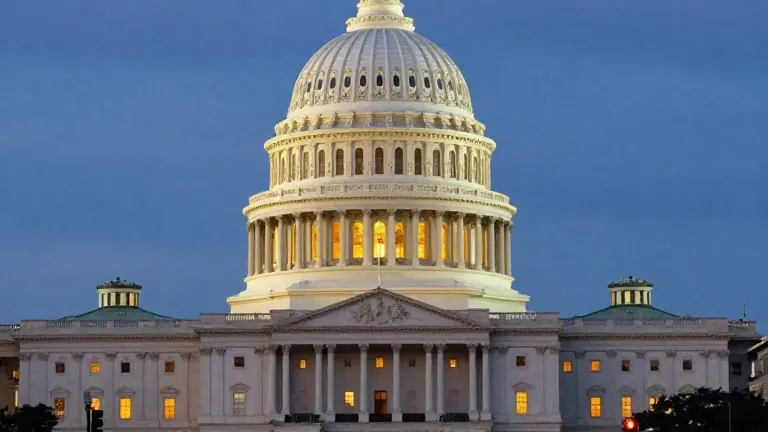
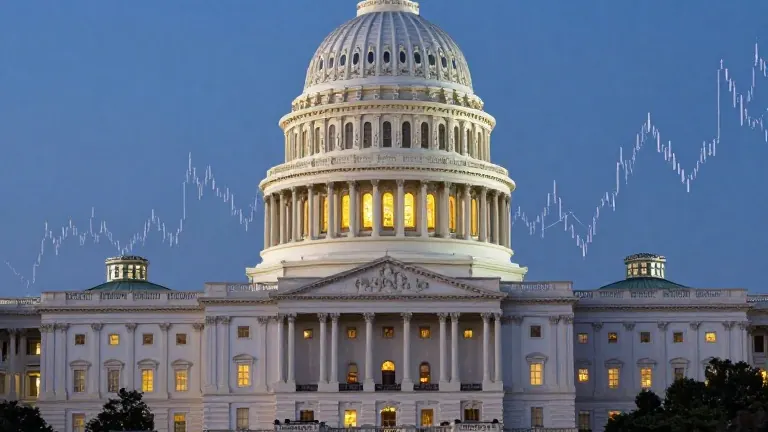
Voters Reject Data Centers Nationwide
Midterm results show 40 of 41 ballot measures favoring limits on AI infrastructure passed, driven by concerns over rising energy bills and water usage.
By Samir Patterson ·
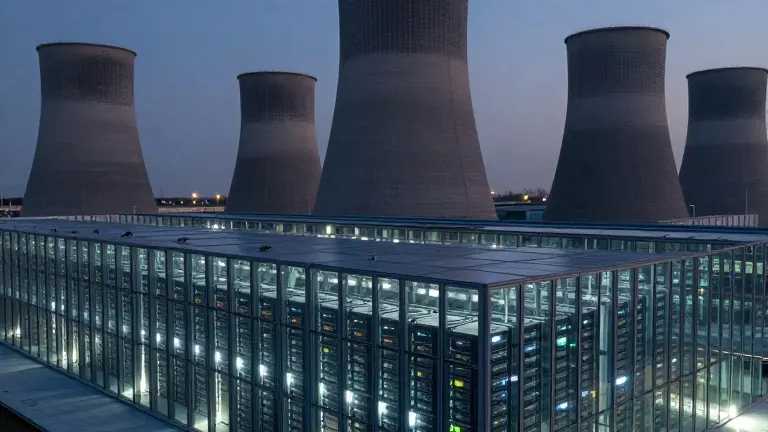
Data center construction has become a central issue in American local politics as artificial intelligence expands its physical footprint. The trend was cemented during the November midterm elections, where voters across the country voted to restrict new projects.
According to Data Centers on the Ballot, an election-monitoring project operated by Redbud Consulting, voters rejected data center development in all but one of the 41 related contests. Two races were still being counted but were expected to follow the national pattern. Only Harwood, North Dakota, voted to oppose limits. That measure would have required independent reviews of large industrial projects before construction could begin. The town has a population of fewer than 800 people.
The opposition reflects growing anxiety over the cost of the AI boom. Pew Research Center estimated that 3,000 data centers existed in the United States as of April, with more than 1,500 others under construction. Critics argue these facilities consume excessive amounts of water and energy, driving up electricity costs for nearby residents. A 2026 working paper from the Federal Reserve Bank of Dallas found that wholesale electricity prices rose by 6.9 percent due to data center demand last year.
James Mercer, founder of Metro Colo Advisory, noted that voters resist new buildings that require as much power as a small city. He stated that local resistance has accelerated through zoning fights and ballot initiatives. Bhaskar Chakravorti, dean of global business at Tufts University, added that residents see the physical impact of AI in their neighborhoods and feel the effects in their energy bills.
Candidates in key races made data centers a focal point of their campaigns. Democrat Sherrod Brown flipped a Senate seat in Ohio by attacking Republican incumbent Jon Husted over his support for data center development. Ohio accounted for 21 of the 47 total data center referendums nationwide. In Texas, Democrat Gina Hinojosa defeated incumbent Greg Abbott for governor after calling for a moratorium on new approvals until stronger community protections were established.
Senator-elect James Talarico also won a Republican-held seat in Texas with a pledge to increase regulation. He proposed closed-loop water systems to reduce consumption, a key concern in areas like Corpus Christi, where reservoir levels fell to 8 percent of capacity earlier this year. Talarico won his district by a 12-percentage-point margin. Abdul El-Sayed, another Democratic Senate winner, called for a federal agency to oversee the AI industry and secured more than 52 percent of the vote.
With Democrats controlling both chambers of Congress, the industry faces increased scrutiny. Senator Ed Markey of Massachusetts pledged new investigations into AI malfeasance. Yassamin Ansari of Arizona called for a pause on advanced AI development and a ban on artificial superintelligence. OpenAI responded by publishing a framework promising to prioritize low-water cooling and pay its own way on energy. Markets reacted quickly, with Nvidia losing $450 billion in market value on Thursday before rebounding 4 percent on Friday.
More Business · Customer Complaints · Report a business · Got a Story?