Greece Blocks Under-15s From Social Media Starting January
The new legislation forces major platforms to implement strict age verification tools, marking a significant shift in European digital policy before a broader EU law takes effect.
By Ji-eun Choi ·
Athens has officially become a global leader in digital parental controls as Greece’s parliament approved a comprehensive ban on social media use for children under the age of 15. The measure is now law and will take full effect on January 1, 2027. This move positions the country at the forefront of European regulatory efforts, arriving ahead of a broader EU framework that is still in its drafting stages.
The new regulation targets major platforms including TikTok, Instagram, Facebook, and X. These services are now mandated to deploy proportionate and reliable age-verification methods to ensure compliance. The law aims to create a stricter barrier between young users and the open internet, a goal that Prime Minister Kyriakos Mitsotakis described as difficult but necessary for the nation's digital future.
The path to this legislation has been driven by a growing sense of urgency among policymakers. Earlier this year, Mitsotakis first announced the initiative, signaling a shift in the government's stance on digital safety. The bill faced opposition from minority parties in parliament, but the ruling coalition used its majority to push the measure through. This follows a 2024 national decision to ban mobile phones in schools, reflecting a broader trend of restricting children's access to digital devices in educational settings.
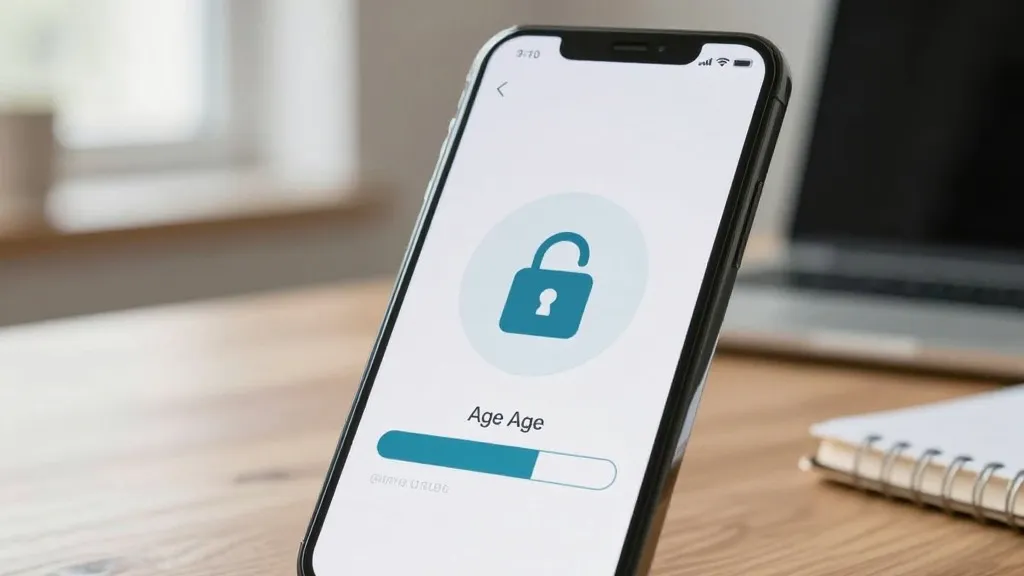
The implementation details require significant changes for parents and tech companies alike. Parents will be required to download state-backed applications known as Kids Wallet or Gov.gr. These apps must be paired to a child's device to actively block access to social media platforms. According to Dimitris Papastergiou, the minister for digital governance and AI, these tools are designed to protect privacy by using age tokens. These tokens verify a user's age while minimizing the amount of personal data disclosed to the platforms.
Papastergiou emphasized the necessity of immediate action in the face of a rapidly changing digital landscape. He noted that it would have been easy for the government to wait for a perfect European law, but the current situation demands a response. He stated that children are sinking into the internet every day, and a responsible government must fulfill its obligations to protect them. This sentiment appears to be shared by the public, as opinion polls indicate that the adult population in Greece widely supports the new ban.
The financial stakes for tech companies are high. Any failure to comply with the new act will result in fines under the EU's Digital Services Act. This creates a dual pressure system where domestic law and European regulations work in tandem to enforce the rules. The government is also looking beyond its borders, with Mitsotakis stating that the goal is to push the European Union in the same direction.
Europe is indeed moving toward similar standards, though with some differences. The European Commission recently introduced the EU Kids Act, which stipulates an outright ban only for children under the age of 13. Greece's threshold of 15 is therefore more restrictive. The nation is not acting in isolation globally, as Australia was the first country to enact a full social media ban for kids. However, Australia's experience has highlighted the technical challenges of implementing accurate age verification, a hurdle Greece now faces as it prepares for the 2027 rollout.
As the deadline approaches, the focus shifts to the practical application of these new rules. The next phase will involve the development and distribution of the state-backed apps and the integration of age tokens by major platforms. Greece is now watching closely to see if its pioneering approach can be successfully executed, potentially setting a precedent for the rest of the continent.
Source: Engadget