AI Boom Stalls: Amazon Scraps Four-Data-Center Plan in Virginia After Local Uprising
Facing intense community resistance over energy and noise, Amazon has abandoned its massive AI infrastructure project in Loudoun County, opting instead for residential development and a $5 million housing contribution.
By Khalid Rahman ·
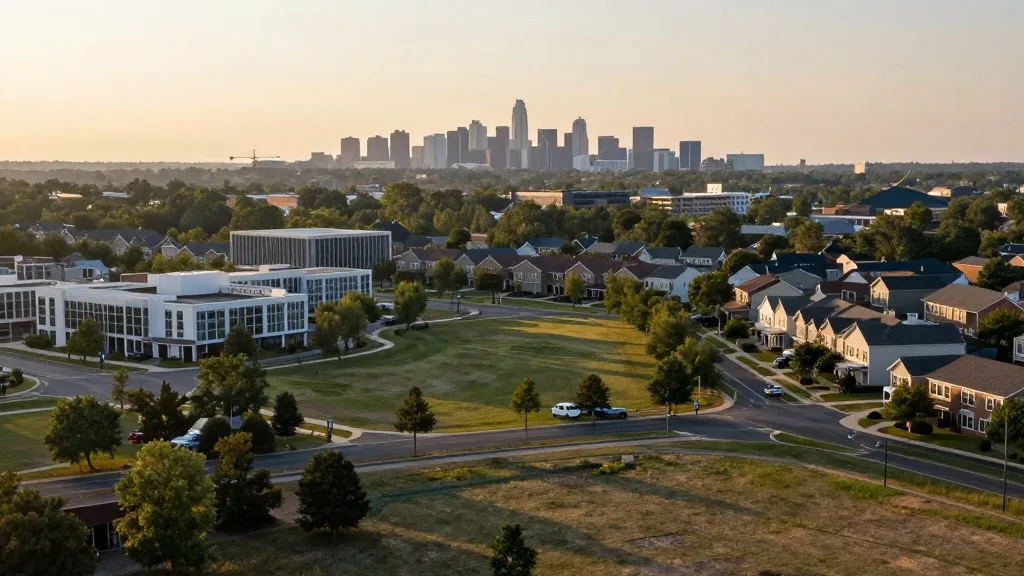
The rapid expansion of artificial intelligence infrastructure has hit a significant snag in one of the nation's most critical tech hubs. In a major strategic pivot, Amazon has officially withdrawn its proposal to construct four new data centers on a 122-acre site in Loudoun County, Virginia, located just outside of Washington, D.C. The company, which had sought to capitalize on the area’s status as a global hub for digital infrastructure, has agreed to repurpose the majority of the land for mixed-use and residential projects instead, marking a rare retreat for a tech giant in the face of local opposition.
The decision follows months of intense friction between the company and the local community, who voiced deep concerns regarding the environmental and logistical impacts of such facilities. The primary points of contention included the significant noise generated by cooling systems and the immense power requirements that strain local grids. These fears have contributed to a broader shift in how the county approaches new data center applications, with residents increasingly wary of the trade-offs associated with housing massive computing facilities in their neighborhoods.
As part of the settlement, Amazon has committed to donating 25 acres of the property to Loudoun County. This land will be utilized to build a new community arts center and a recreational facility, directly addressing local desires for public spaces. Furthermore, the company will provide a $5 million grant to the county’s housing fund, aiming to assist in making homes more attainable for working families in the region. This financial commitment is designed to offset the perceived burden of the project and offer tangible benefits to the local population.
Amazon’s vice president of data center development, Josh Weissman, acknowledged the complexity of the situation in a statement. He noted that while the company was eager to secure the former George Washington University campus, they took the county’s concerns seriously. Weissman stated, "While we see the property’s legal development potential differently than the County does, we concluded that the best outcome for all is to come together on a shared vision for this campus rather than engage in costly litigation." This approach highlights a growing trend where tech companies are prioritizing collaborative resolutions over prolonged legal battles.
The timing of this withdrawal is particularly notable, as it comes just days after President Donald Trump called on data center builders and AI hyperscalers to pay dividends to local communities. The President’s social media post emphasized that these facilities should not only generate their own electricity but also sell excess energy back to the grid. This federal-level pressure adds context to the local negotiations, suggesting that the broader political landscape is influencing how these massive projects are approved and structured.
Loudoun County Board of Supervisors Chair Phyllis J. Randall welcomed the agreement, framing it as a success of negotiation over confrontation. In a statement, Randall said, "By choosing dialogue over reflexive disagreement, Loudoun County and Amazon created an opportunity for the County. This agreement provides new places for our Loudoun residents to gather, create, and play. And, most importantly to me, we will provide more attainable homes for working families." The county’s leadership is positioning this outcome as a win for local residents and long-term community health.
The original proposal, submitted in July, had sought to build on land that was once part of a university campus. The area, often dubbed "Data Center Alley," already hosts the highest concentration of data centers on the planet. However, the recent surge in AI demand has intensified scrutiny on these facilities. Critics argue that the infrastructure required to support AI models is placing unprecedented stress on local resources, including water and electricity, leading to a more cautious approach by local officials who are now weighing the economic benefits against the quality-of-life costs.
Looking ahead, this development signals a potential shift in the relationship between big tech and local governments. While the demand for computing power continues to grow, the era of seamless expansion may be ending as communities assert more control over their land and resources. For Amazon, the move allows it to maintain a presence in the region without the immediate friction of a contested construction project. For Loudoun County, the deal offers a mix of development and public amenities, though questions remain about the long-term sustainability of the area’s power grid and its capacity to support future tech growth.
Source: Tom's Hardware