60 LSU football players to spit in swabs for new concussion research
Researchers aim to develop a sideline saliva test that detects brain injury proteins, reducing reliance on subjective evaluations during games.
By Charlotte Dubois ·
Researchers at LSU, FMOL Health, and the Pennington Biomedical Research Center are collecting saliva samples from up to 60 LSU football players to develop a new diagnostic tool for concussions. Led by Guillaume Spielmann, an associate professor in the LSU School of Kinesiology, the project seeks to identify specific protein changes in saliva that signal brain injury.
The study aims to create an objective sideline test that can be used during games. Current protocols often rely on subjective assessments, which can be complicated by a player's desire to return to action. Micki Collins, the sports medicine director for LSU Athletics, noted that many student athletes may claim they are fine even when they are not.
Collins explained that without an objective metric, there is a risk of allowing players to continue playing while injured. "A lot of student athletes want to pretend that they're OK," Collins said. "If you don't have something objective that is telling you, no, they can't, there's a chance that you might put them in harm's way without knowing."
The existing diagnostic process uses the C3Logix system on an iPad to track gait and stability, alongside the Sport Concussion Assessment Tool 6. While every athlete has a baseline for comparison, Collins said that not all concussions present with the same visible symptoms. Some questions in the current assessment are inherently subjective, making it difficult to distinguish injury from the natural fatigue of intense exercise.
Spielmann pointed out that symptoms like tiredness and muscle aches are common after a football game, which can mask concussion signs. The new saliva test would provide a biological marker to clarify these cases. "Do you feel tired?" Spielmann asked. "Do your muscles ache? All of those could be because you've just played a football match."
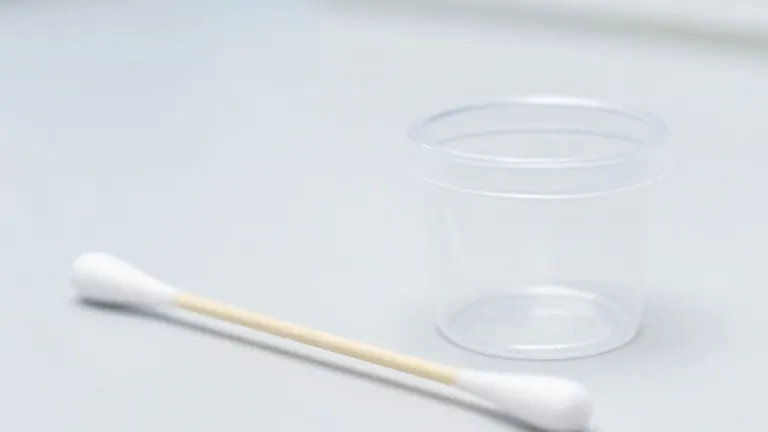
The research shifted from blood to saliva because blood draws are difficult to perform on active players. Spielmann described saliva collection as less invasive and easier to manage at scale. For the study, players place a sterile cotton swab under their tongue for approximately three minutes. The swab is then centrifuged to separate proteins from water and mucus.
Data collection is expected to continue for several months, with analysis completion anticipated by May. Spielmann hopes to have a practical sideline test developed within a couple of years. The team also plans to apply the findings to other at-risk groups, including first responders and youth athletes.
Spielmann emphasized that the collaboration between different scientific specialties is a unique aspect of the project. Traditional concussion research has often focused narrowly on neurocognitive or biomechanical markers. "Those type of sciences don't always involve physiologists," Spielmann said. "I think there's a certain level of silo-based science that's traditionally been going on. You do your thing, I do my thing, and then we never really talk to each other."
More Business · Customer Complaints · Report a business · Got a Story?